

A Compact Destination With a Sophisticated Business Network
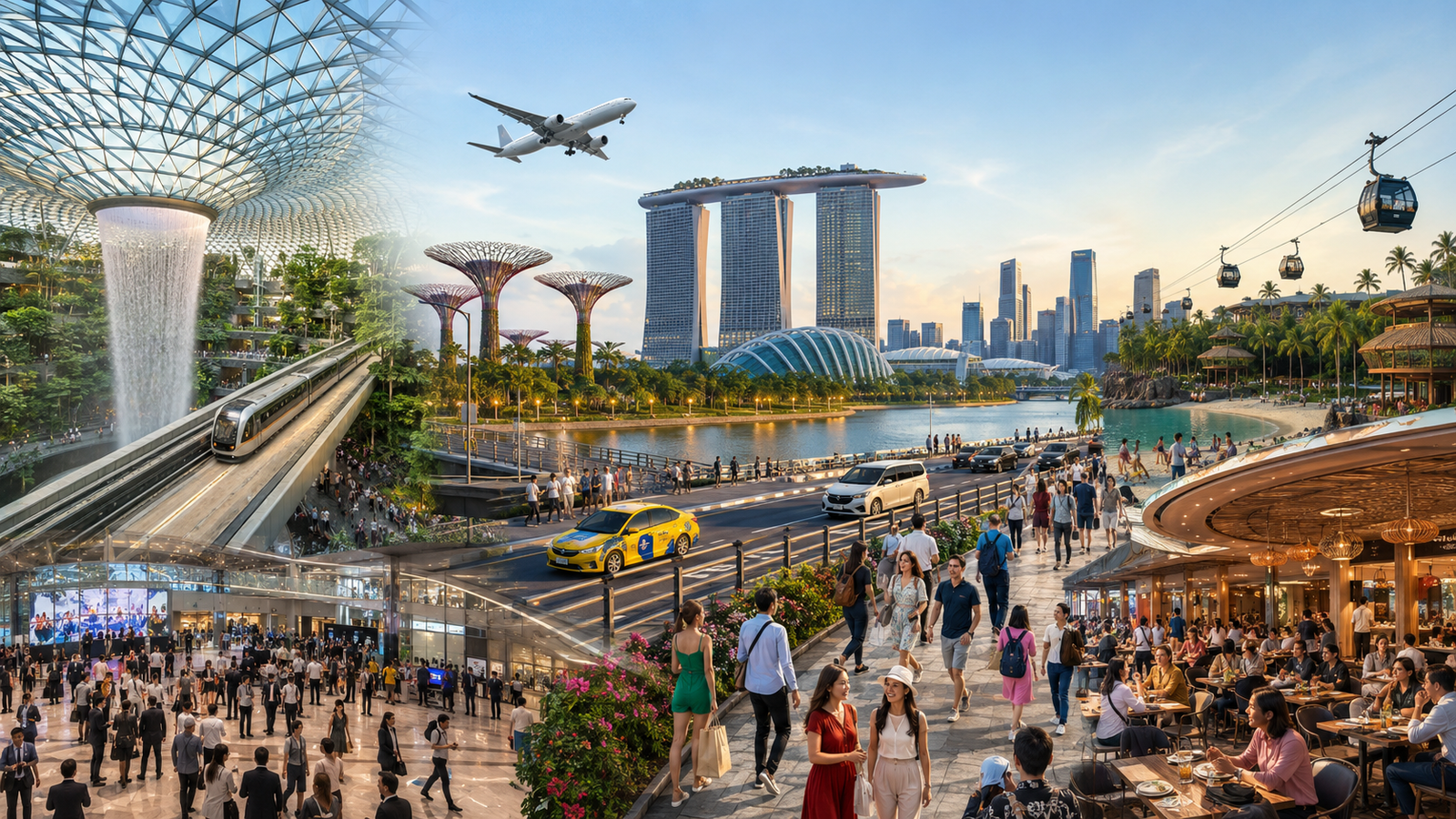
Singapore’s tourism industry in 2026 is built on one clear advantage: the country knows how to connect every part of the visitor journey. From the moment travelers land at Changi Airport to the time they check into hotels, attend events, visit attractions, shop, dine, and depart, companies across multiple sectors work together to support a premium travel economy.
The Singapore Tourism Board provides official tourism statistics and market insights through its data portal: https://www.stb.gov.sg/. This reference is useful for tracking the direction of visitor arrivals, tourism receipts, source markets, and sector performance.
Aviation Remains the Gateway to Growth
Changi Airport as an Experience Platform
Changi Airport Group plays a central role in Singapore’s tourism competitiveness. The airport is widely known for operational efficiency, but its real value goes beyond flights. Jewel Changi Airport has turned the gateway into a lifestyle attraction, encouraging visitors and transit passengers to spend on retail, food, and entertainment before even entering the city.
Singapore Airlines adds another layer of strength. As the national carrier, it supports Singapore’s image as a premium and reliable destination. Its network helps bring in corporate travelers, long-haul tourists, regional visitors, and stopover passengers. In 2026, strong aviation connectivity remains one of Singapore’s biggest advantages against other Asian destinations.
Hotels and Resorts Convert Arrivals Into Revenue
Integrated Resorts Lead the High-Spend Segment
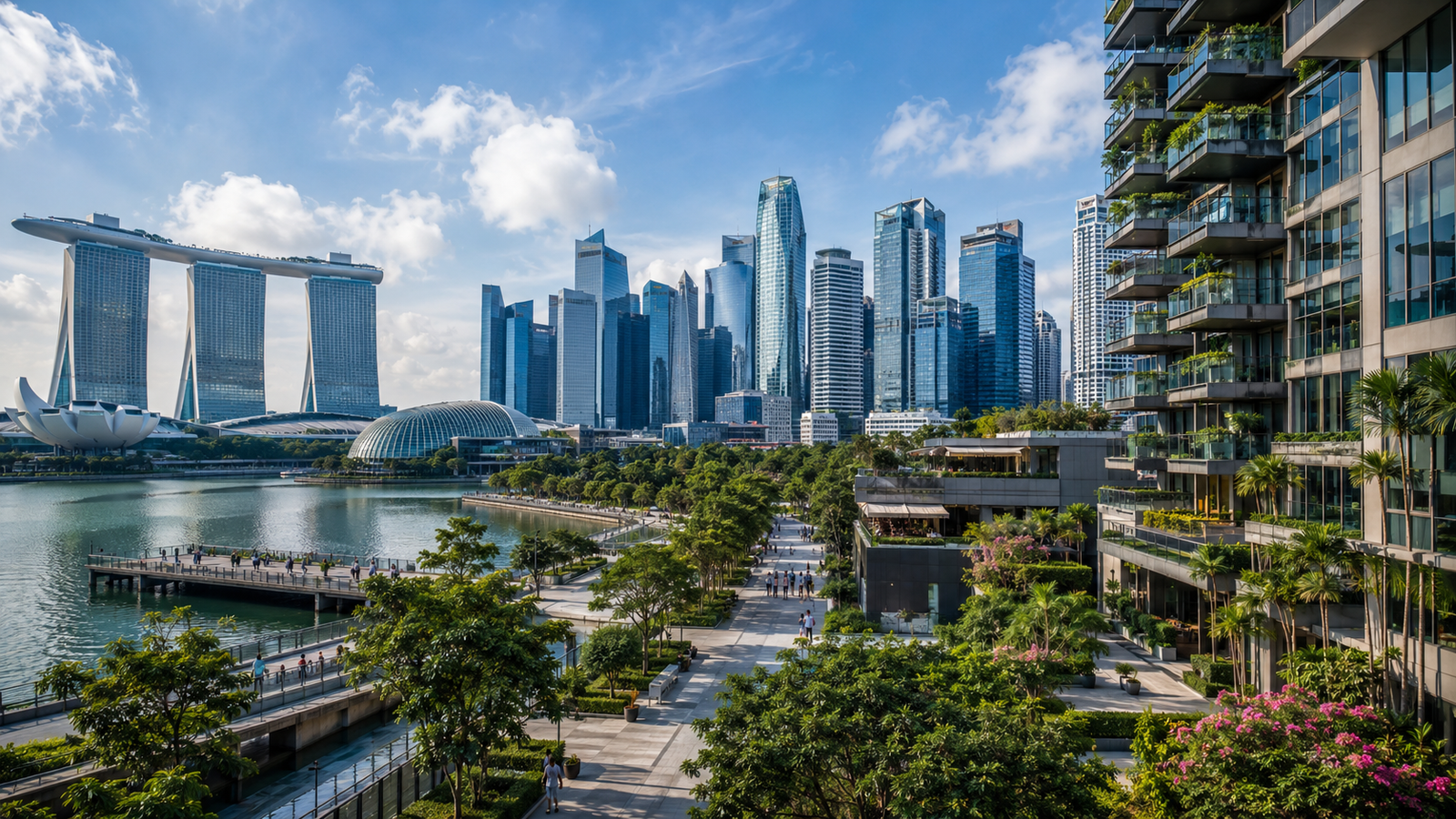
Marina Bay Sands and Resorts World Sentosa are among the companies most closely linked to Singapore’s tourism economy. Their value comes from scale and variety. A guest can sleep, shop, eat, attend a conference, visit an attraction, and enjoy entertainment within one integrated precinct.
International hotel groups also support the ecosystem by giving travelers a wide range of choices. Brands under Marriott, Hilton, Accor, IHG, and other operators help Singapore appeal to luxury travelers, business executives, families, and short-stay tourists. This variety is essential for a destination that wants to maximize spending without relying on mass tourism alone.
Attractions Create Repeatable Reasons to Visit
Nature, Culture, and Lifestyle Experiences
Singapore’s attractions are becoming more layered and experience-driven. Gardens by the Bay, Mandai Wildlife Group, Sentosa, the National Gallery Singapore, and Marina Bay leisure zones all help extend the visitor itinerary.
A relevant case is Singapore’s push toward nature-based tourism. Wildlife parks, green spaces, and waterfront developments allow the city to market itself as both urban and sustainable. This matters because many travelers in 2026 are looking for destinations that combine convenience with meaningful experiences.
Mobility Companies Keep the System Efficient
Transport is one of Singapore’s quiet tourism strengths. SMRT, SBS Transit, ComfortDelGro, Grab, and private mobility providers make it easy for tourists to move between the airport, Orchard Road, Marina Bay, Sentosa, Chinatown, Little India, and convention venues.
This reliability directly affects visitor satisfaction. Tourists who spend less time worrying about routes and delays have more time to spend on attractions, restaurants, shopping, and events. For Singapore, mobility is not just infrastructure; it is part of the tourism product.
Business Events Strengthen Year-Round Demand
The MICE sector gives Singapore an important advantage because business events can generate demand even outside peak leisure seasons. Venues such as Sands Expo and Convention Centre, Suntec Singapore, and Singapore EXPO support global conferences, exhibitions, and corporate meetings.
These events create a ripple effect across hotels, airlines, restaurants, retail outlets, and transport services. In 2026, this ecosystem approach is what makes Singapore’s tourism industry resilient. Companies across different sectors are not simply serving visitors; they are helping build a destination where convenience, quality, and commercial value reinforce one another.








Leave a Reply