The future of e-commerce in Singapore is expected to be defined by technological innovation, regional expansion, and evolving consumer expectations. Artificial intelligence, automation, and data analytics will play increasingly central roles in shaping how companies operate and compete.
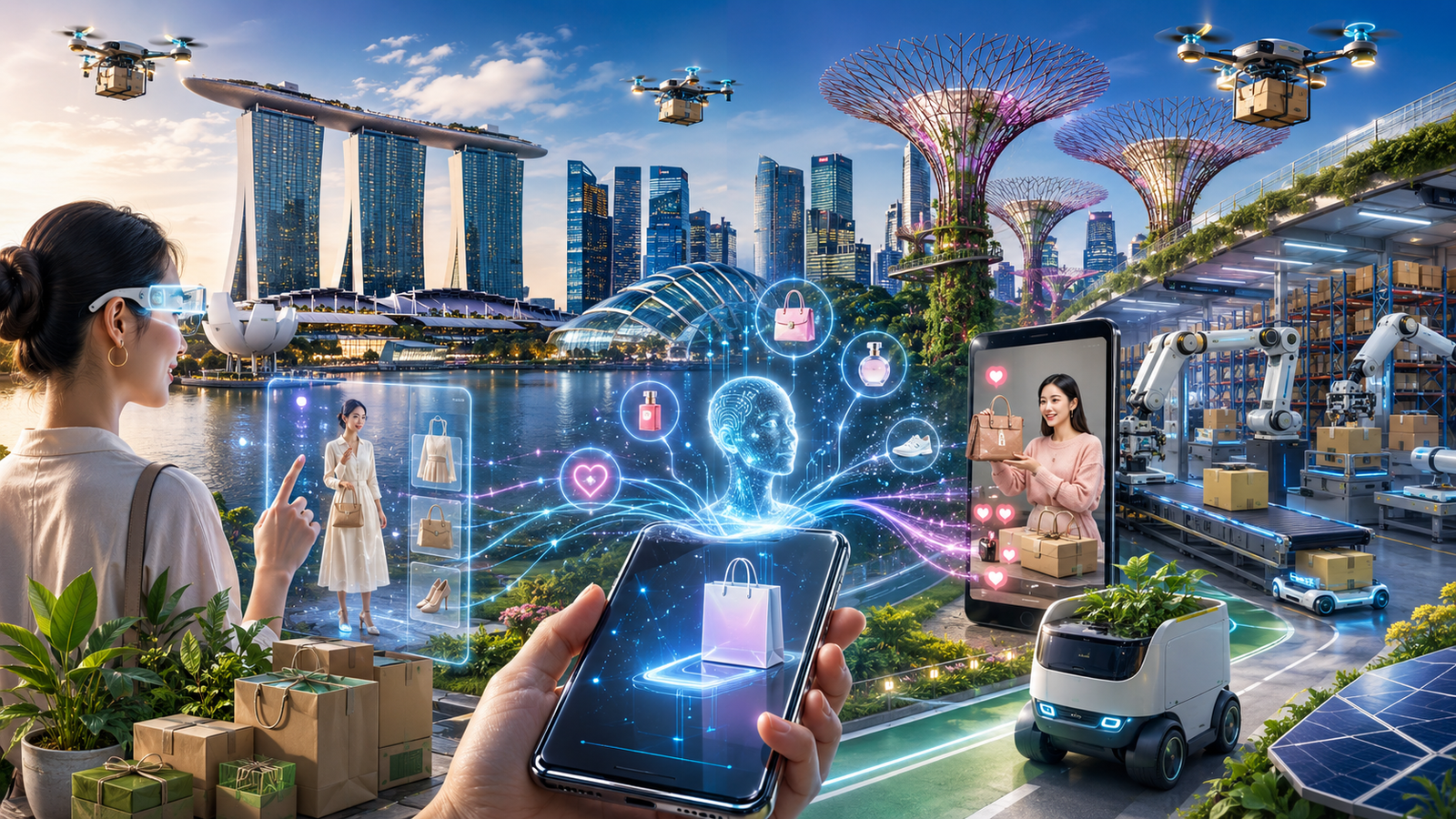
AI-driven personalization will become more sophisticated, allowing platforms to anticipate customer needs with greater accuracy. From product recommendations to dynamic pricing, machine learning will help companies optimize every stage of the shopping journey.
Augmented reality (AR) and virtual reality (VR) are also expected to transform online shopping experiences. Customers may soon be able to virtually try products such as clothing, furniture, or cosmetics before making a purchase, reducing uncertainty and return rates.
Social commerce will continue to grow, blurring the lines between entertainment and shopping. Livestream shopping events and influencer-led product launches are likely to become mainstream sales channels.
On the infrastructure side, automation in warehouses and delivery systems will increase efficiency. Autonomous delivery robots and drones may play a limited but growing role in last-mile logistics, especially in controlled environments.
Regulation and data privacy will also shape the industry’s evolution. As digital commerce becomes more data-driven, companies will need to balance personalization with responsible data usage and compliance with stricter privacy laws.
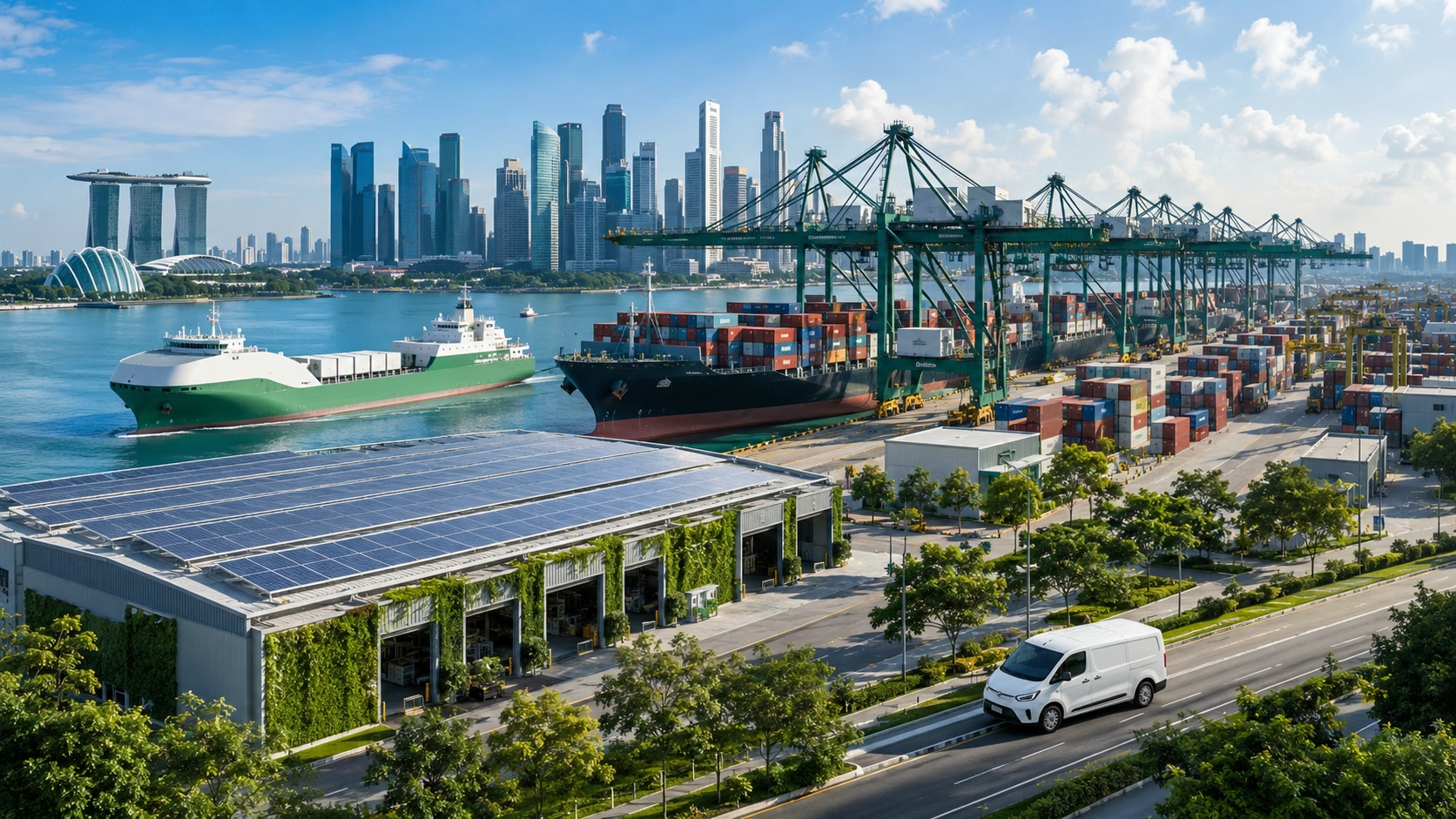
Sustainability will remain a key concern. Businesses will face pressure to reduce packaging waste, lower emissions, and adopt greener logistics solutions. Consumers are increasingly favoring brands that demonstrate environmental responsibility.
Singapore’s role as a regional hub ensures that its e-commerce companies will continue expanding beyond domestic borders. The combination of strong infrastructure, policy support, and technological adoption positions the country as a long-term leader in digital commerce innovation.