Singapore’s transportation industry has undergone a significant transformation, integrating modern technology, sustainability measures, and diversified services to create a comprehensive mobility ecosystem. In a city where efficiency and space optimization are critical, transport companies have embraced innovative approaches to meet commuter needs.
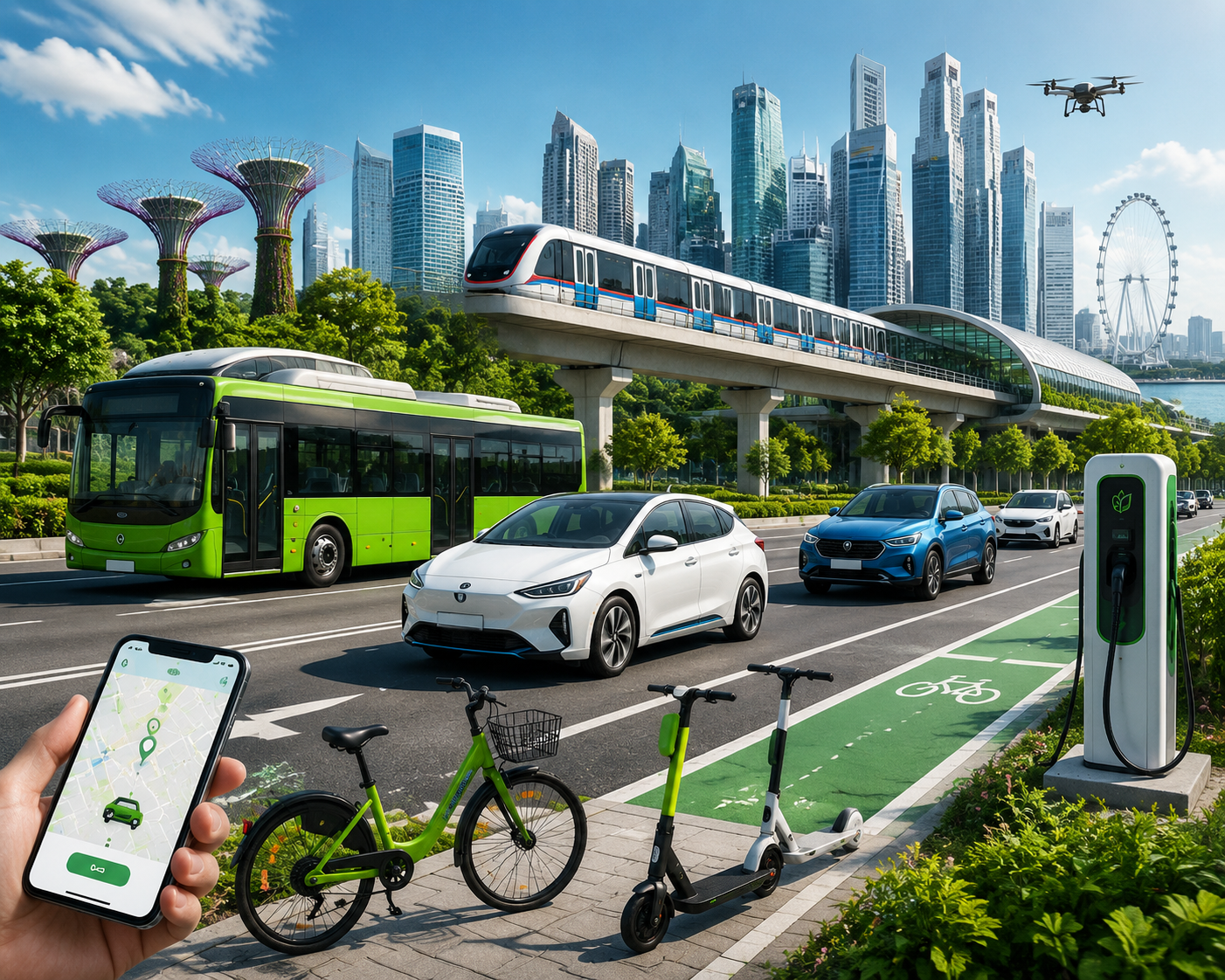
A cornerstone of Singapore’s mobility system is ComfortDelGro, which provides extensive taxi, bus, and private hire services. The company emphasizes digital innovation, including mobile app bookings, cashless payments, and AI-powered route optimization. These improvements allow passengers to enjoy faster and more convenient travel while operators reduce fuel usage and improve fleet efficiency. ComfortDelGro also continues expanding its hybrid and electric vehicle fleet, reinforcing environmental responsibility.
Ride-hailing platforms like Grab and Gojek have dramatically altered commuting habits. Their mobile applications provide real-time ride tracking, multiple vehicle options, and integrated payment systems, enhancing commuter convenience. Additionally, these platforms have diversified into delivery and logistics services, demonstrating how transport companies are merging mobility and urban delivery solutions.
Public transportation operators, including SMRT Corporation and SBS Transit, remain essential to Singapore’s mobility network. Advanced technologies such as automated fare collection, predictive train maintenance, and intelligent traffic systems help ensure efficient service delivery and minimize delays. These measures improve reliability and enhance commuter satisfaction, even during periods of high demand.
Micro-mobility solutions are increasingly popular for short-distance travel, with shared bicycles and e-scooters providing practical first- and last-mile options. Collaboration with city authorities ensures safety, infrastructure development, and integration with major transport hubs like MRT stations. These services complement traditional public transport, creating a cohesive mobility network.
Sustainability drives much of the innovation in Singapore’s transportation sector. By adopting electric vehicles, eco-friendly transport modes, and smart mobility systems, companies reduce environmental impact while offering convenient and efficient commuting options. This approach aligns with Singapore’s vision for a sustainable and connected city.
Transportation companies in Singapore are not only service providers—they are innovators redefining how residents and visitors navigate urban spaces. By combining technology, environmental responsibility, and diverse mobility options, these firms are shaping a future-ready transport ecosystem that balances efficiency, convenience, and sustainability.