Non-profit organizations in Singapore serve as important agents of social support and environmental responsibility. They work with individuals, families, communities, schools, companies, and public agencies to address problems that affect everyday life. Their work is especially important in a country where rapid development, high living standards, and urban density can create both opportunities and pressures. By focusing on people and the planet, non-profits help Singapore grow in a more balanced way.
One major area of non-profit work is poverty and social assistance. Although Singapore has a strong economy, some residents still face hardship due to low income, illness, job loss, family breakdown, or limited social support. Non-profit organizations provide essential services such as food distribution, financial aid, counseling, rental support referrals, and access to educational resources. These services help reduce immediate suffering and prevent vulnerable individuals from falling deeper into crisis.
Many non-profits also focus on empowering people rather than only providing temporary aid. Skills training, career coaching, literacy programs, and financial education help individuals become more independent. For example, a low-income parent may benefit from job-readiness training, while a young student may receive mentoring that improves confidence and academic performance. This type of support creates long-term value because it helps people build the tools they need to improve their circumstances.
Youth development is another important field. Young people in Singapore may face academic stress, social pressure, digital risks, and uncertainty about the future. Non-profit organizations provide safe spaces where youth can receive guidance, express themselves, and develop leadership skills. Arts programs, sports activities, mentoring, and mental health support can help young people build resilience. These programs are especially useful for youth who may not have strong support systems at home.
Mental health support has become increasingly important. Non-profits contribute by offering emotional support services, public education, crisis intervention, and community outreach. They help people understand that mental health challenges are not signs of weakness but real issues that deserve care. By making help more accessible and reducing stigma, non-profit organizations encourage earlier intervention and healthier communities.
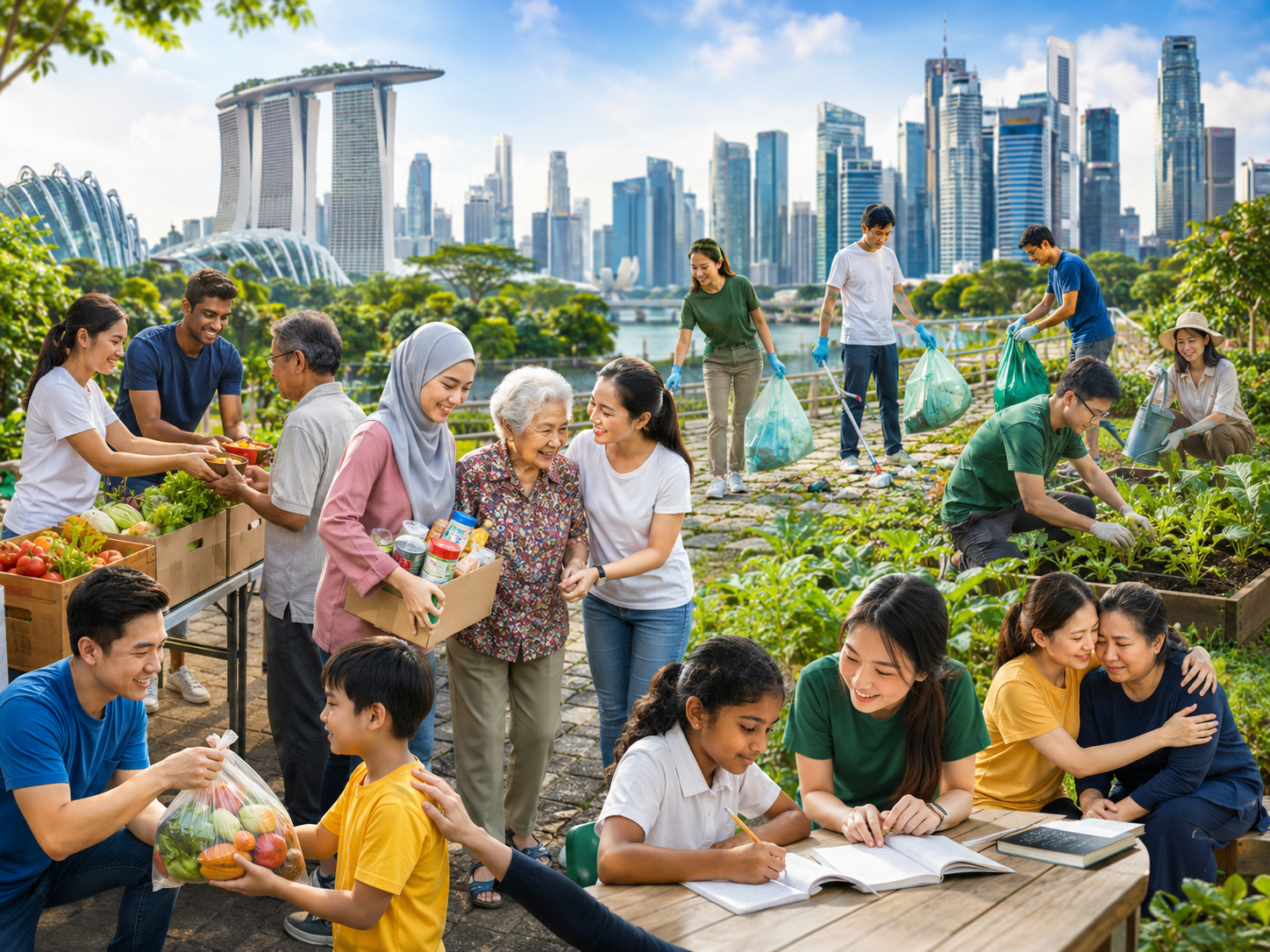
Environmental challenges are also central to the work of many Singaporean non-profits. Singapore’s limited land area and dense population make sustainability a serious concern. Waste management, climate awareness, biodiversity protection, and responsible consumption require active participation from citizens. Non-profit organizations help by educating the public, organizing environmental campaigns, and creating opportunities for people to take direct action. Beach clean-ups, recycling drives, community gardens, and conservation workshops help transform awareness into behavior.
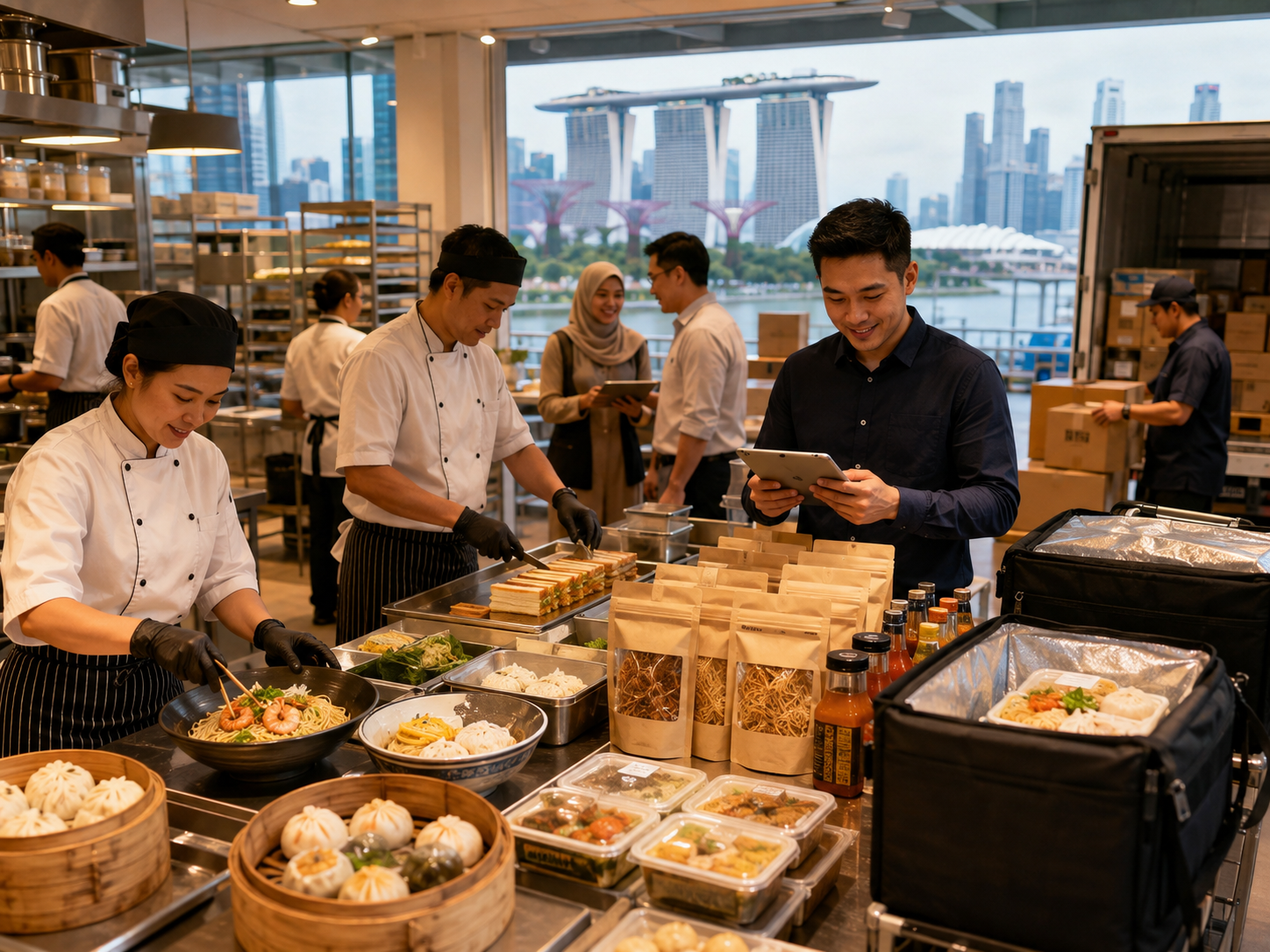
Some organizations address both social and environmental concerns at the same time. Food rescue initiatives are a strong example. By collecting surplus food from retailers, restaurants, and suppliers, these groups reduce waste and provide food to families in need. Similarly, donation programs that redistribute furniture, clothing, or electronics reduce unnecessary disposal while helping lower-income households. These models show how creative non-profit solutions can solve multiple problems together.
Non-profit organizations are also important advocates. They raise public awareness about issues that may be overlooked, such as caregiver stress, disability inclusion, migrant worker welfare, animal protection, and climate responsibility. Advocacy does not always mean confrontation. In Singapore, it often involves research, education, dialogue, and partnership. By presenting community needs clearly, non-profits help shape better policies and practices.
The success of non-profit work depends heavily on public trust and participation. Donations, volunteers, corporate partnerships, and community involvement allow organizations to expand their reach. When citizens contribute time or resources, they become part of the solution. This shared responsibility strengthens social bonds and encourages a more caring national culture.
Through their work, non-profit organizations help Singapore address challenges that are deeply human and increasingly urgent. They support those in need, protect natural resources, educate the public, and connect different parts of society. Their presence makes Singapore not only more efficient and developed, but also more compassionate, inclusive, and environmentally aware.