

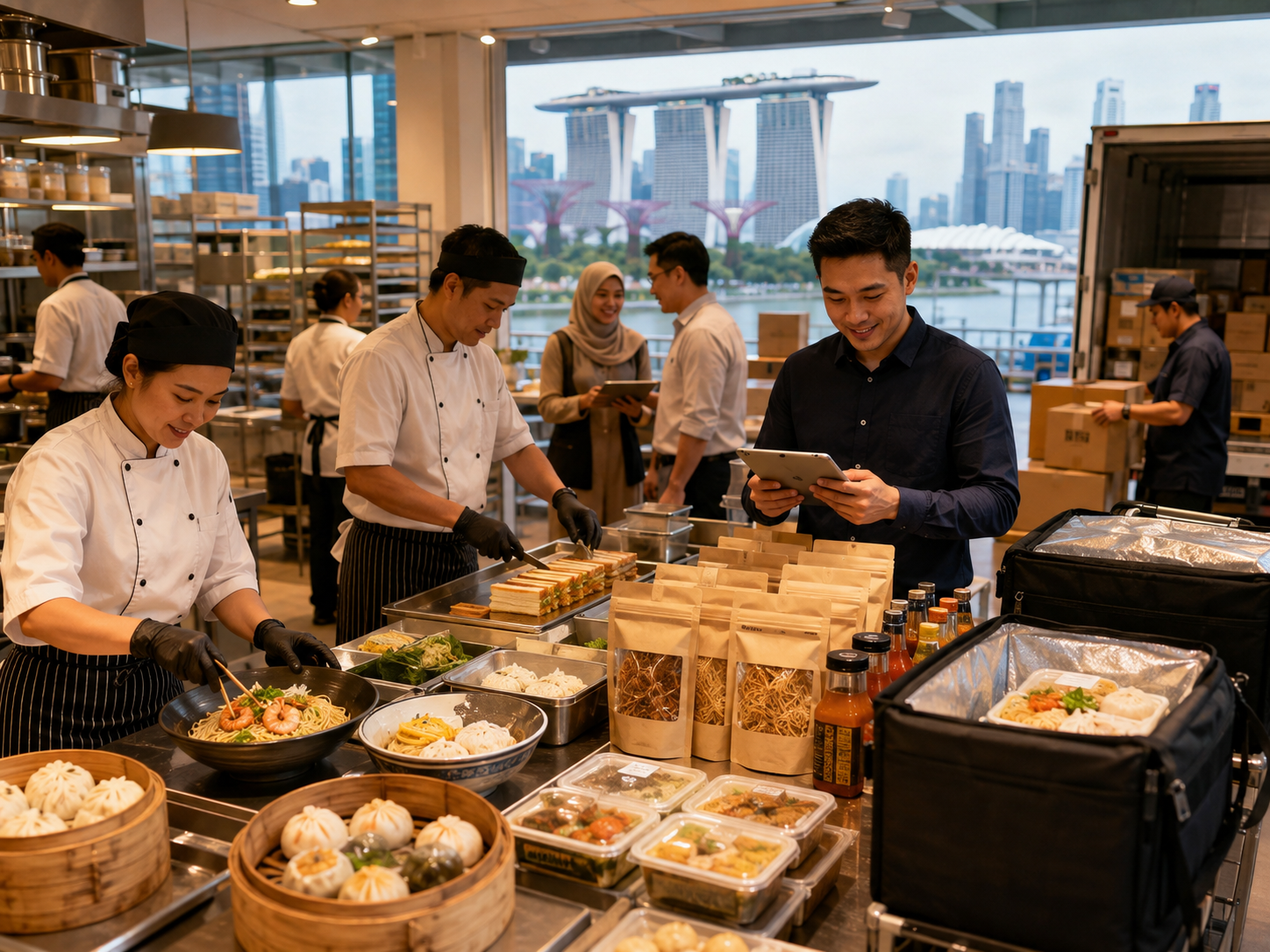
Singapore’s food and beverage sector is undergoing a quiet transformation in 2026. The city-state’s culinary businesses are no longer just local favorites; they are becoming regional powerhouses with sophisticated expansion models. By combining halal certification, digital supply chains, and sustainable sourcing, Singapore F&B companies are influencing how millions of people across Southeast Asia eat.
Regional Expansion as a Core Business Strategy
A small population forces Singapore F&B brands to think regionally from day one. The Enterprise Singapore 2026 Food & Beverage Outlook reports that overseas franchise agreements and packaged food exports are expanding at 8.4 percent annually. Markets like Vietnam, Thailand, and the Philippines are becoming prime destinations for Singapore-style coffee chains, bakery concepts, and casual dining restaurants. Popular local brands such as Toast Box, The Soup Spoon, and Bengawan Solo are opening stores in major Southeast Asian capitals, leveraging Singapore’s clean and efficient brand image.
Halal Compliance Unlocks Massive Consumer Pools
Halal certification is one of the fastest ways for Singapore F&B companies to gain entry into neighboring Muslim-majority markets. Malaysia, Indonesia, and Brunei prioritize halal compliance, and Singapore’s certification process is widely respected. In 2026, more Singapore restaurants are obtaining halal certification for their entire supply chain—from ingredient sourcing to kitchen preparation—allowing them to serve both Muslim and non-Muslim customers without sacrificing brand identity. Localization also includes adjusting recipes to match regional palates: less sugar in Vietnam, more spice in Indonesia, and more seafood options in the Philippines.
Technology Powers Multi-Country Operations
Running restaurants across multiple countries requires robust digital infrastructure. Singapore F&B groups are investing in cloud-based kitchen management systems that track inventory, labor costs, and sales in real time. Central production facilities in Singapore prepare sauces, soups, and frozen pastries that are distributed to franchisees. This model reduces the need for skilled chefs at every location and maintains consistency. AI-powered analytics help brands decide where to open new outlets by studying demographic data, delivery demand, and competitor performance.
Sustainability and Local Ingredient Partnerships
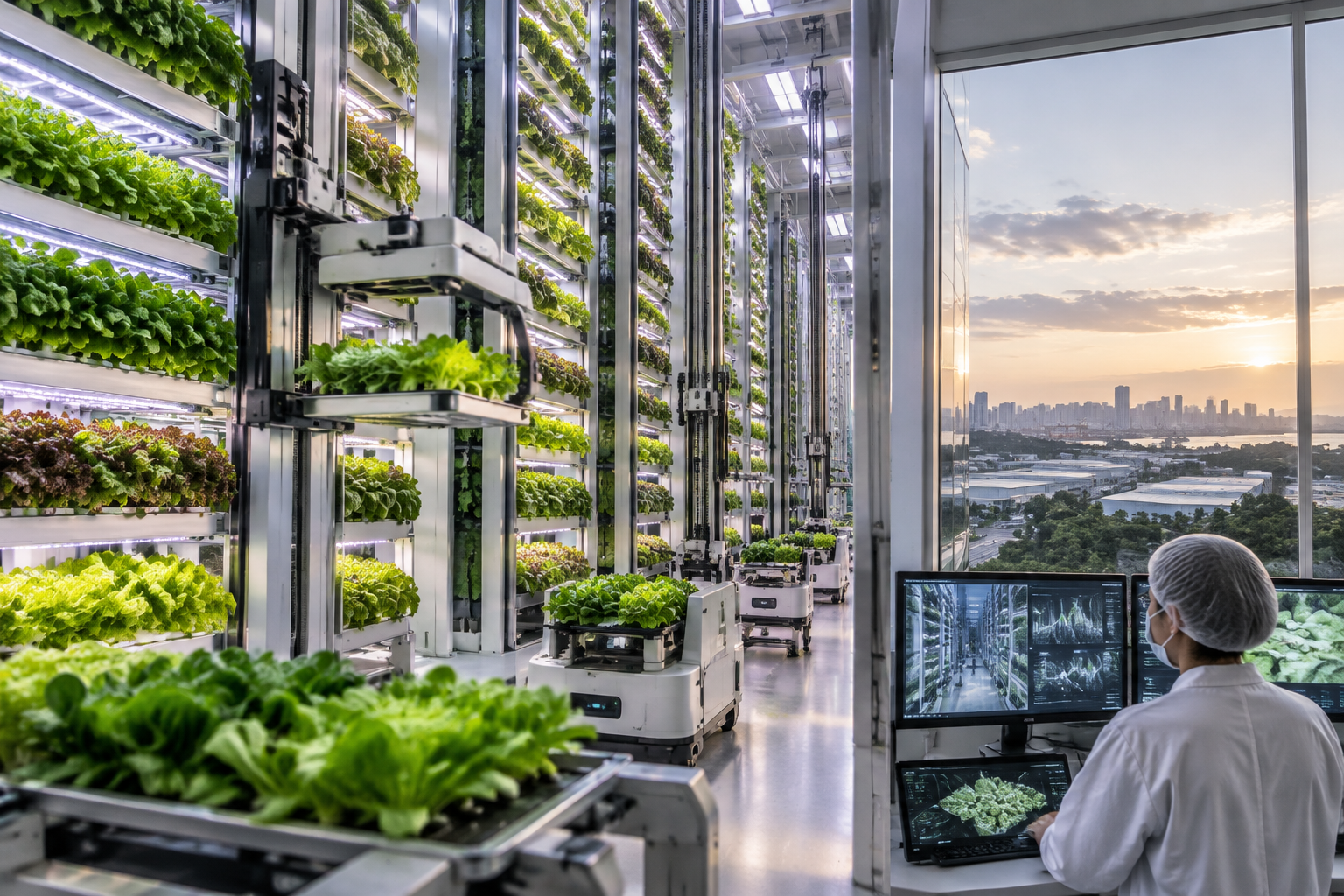
Consumers across Asia are increasingly aware of environmental issues. Singapore F&B companies are responding by sourcing ingredients responsibly and reducing packaging waste. The Singapore Food Agency’s “30 by 30” program supports local urban farms and alternative protein producers, creating new partnerships for plant-based menu items. Several Singapore restaurant chains now feature dishes made with locally grown mushrooms, leafy greens, and plant-based meats. These offerings appeal to younger, sustainability-conscious diners and differentiate Singapore brands in competitive markets.
By combining culinary heritage with modern business strategy, Singapore F&B firms are not just exporting food—they are exporting a standard of quality, safety, and innovation that resonates across the region.








Leave a Reply