

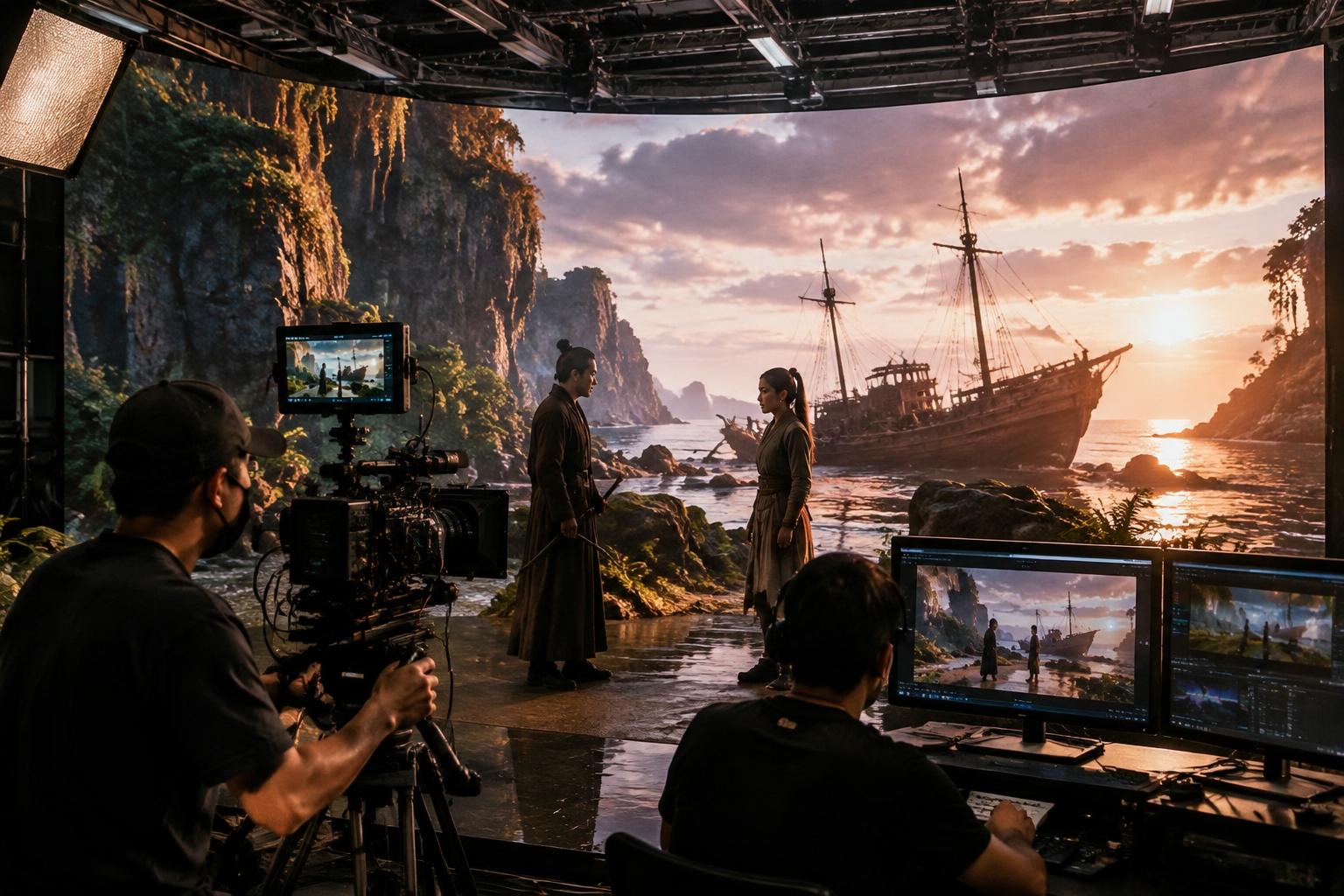
The traditional boundaries between film, gaming, and publishing are dissolving, and Singaporean firms are positioning themselves as architects of the new transmedia landscape. Instead of simply adapting a comic into a movie, local studios are now designing intellectual property (IP) from the ground up to exist in multiple formats simultaneously. This “storyworld” approach is crucial for capturing the fragmented attention of Gen Z and Alpha audiences, who often discover stories through a video game or webtoon before ever watching a series. Singapore’s robust technical infrastructure and cosmopolitan talent pool make it an ideal laboratory for this complex form of storytelling.
Building Storyworlds, Not Just Stories
The key strategy for local content creators is the “IP-first” model. Writers, game designers, and showrunners collaborate from the inception of a project to ensure narrative consistency across platforms. A character introduced in a mobile game might have a cameo in a Netflix series, which in turn deepens the lore found in the graphic novel. This interconnectedness drives audience engagement, encouraging fans to consume multiple products to grasp the full narrative. This model increases the lifetime value of a customer far beyond a single movie ticket or streaming subscription.
The Role of Government Co-Production Funds
Financing these massive projects requires a blend of private equity and public funding. Singapore’s economic boards have shifted their grant strategies to favor projects that demonstrate transmedia potential. Grants are no longer just for “film production” but for “IP development.” This encourages producers to think about merchandise, location-based entertainment, and gaming integrations from day one. By de-risking the initial development phase, the government is encouraging bolder, more innovative storytelling that can compete on a global scale.
Success Stories in the Region
Recent case studies highlight the viability of this approach. Local studios have found success by tapping into Asian mythology and reimagining it through a sci-fi or cyberpunk lens, which resonates with both Western and Asian audiences. The animation sector, in particular, has benefited from the demand for high-quality motion capture and CGI that serves both the film and the video game adaptation. Data from the Singapore Media Fusion ecosystem indicates a marked increase in job openings for “narrative designers” and “world-builders,” roles that did not exist in the local market five years ago, proving the industry is structurally adapting to this new reality.











Leave a Reply