

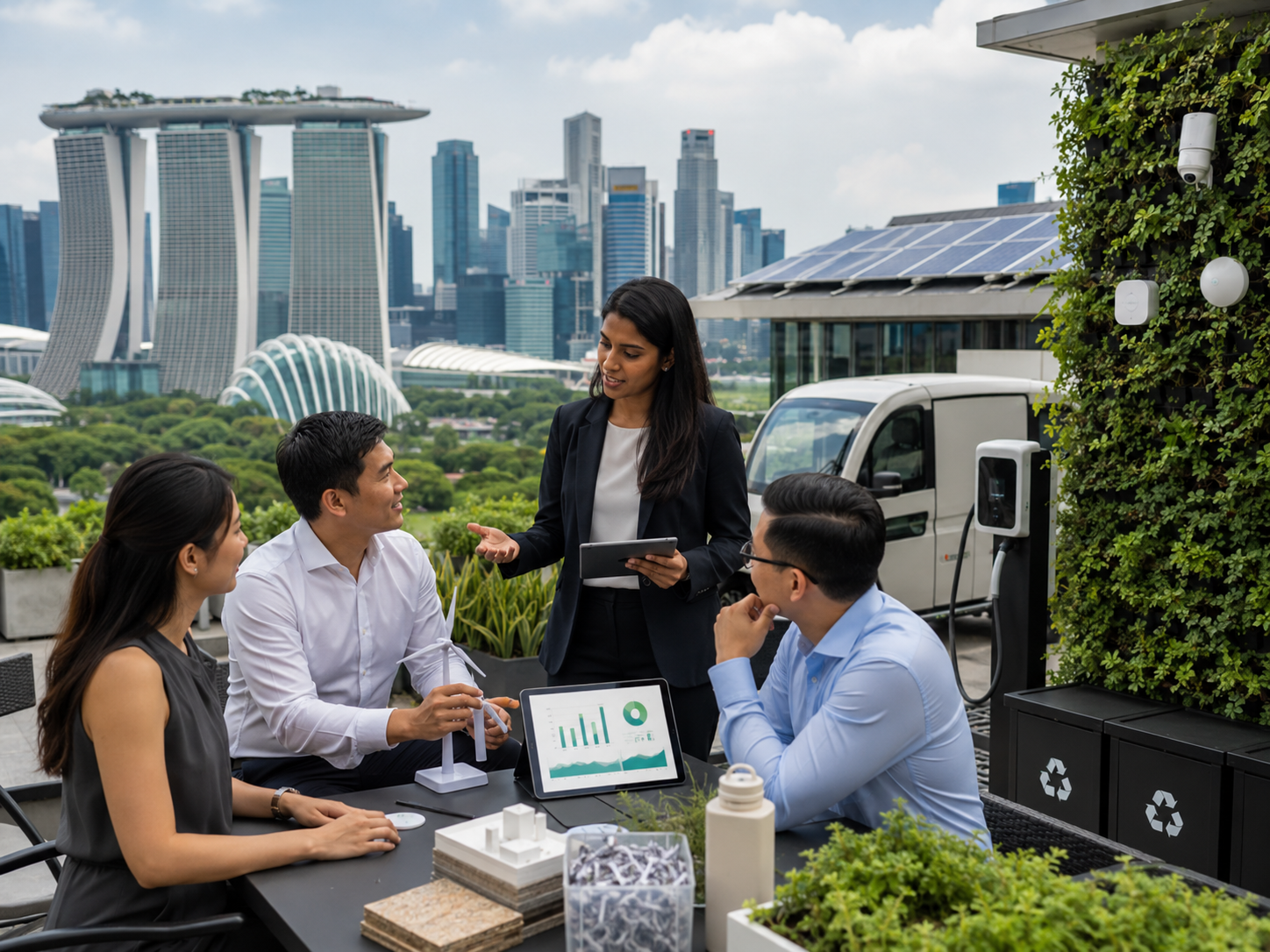
Sustainability Is Becoming a Data Challenge
For many companies in Singapore, the hardest part of sustainability is no longer understanding why it matters. The harder task is knowing what to measure, where emissions come from, and which actions create the greatest impact. That is why technology start-ups have become increasingly important. They transform sustainability from a broad corporate ambition into a set of trackable, operational decisions.
Singapore’s role as a finance, trade, and technology hub makes this shift especially important. Companies headquartered or operating in the city-state often manage regional supply chains, real estate portfolios, logistics networks, and procurement systems. Each of these activities carries environmental impact. Start-ups are helping firms map that impact with better data.
The Monetary Authority of Singapore has also supported green finance infrastructure through Project Greenprint, which focuses on data, disclosure, and sustainability-related technology. Its official page is available at https://www.mas.gov.sg/development/fintech/project-greenprint. For start-ups, this signals that credible sustainability data is becoming a key part of the financial system.
Carbon Accounting Moves Into the Mainstream
Why Companies Need Better Emissions Visibility
Carbon accounting start-ups are among the most relevant players in Singapore’s sustainability landscape. Their platforms collect information from utility bills, suppliers, transport records, production activity, and purchased goods. They then organise this data into emissions categories that companies can use for reporting and reduction planning.
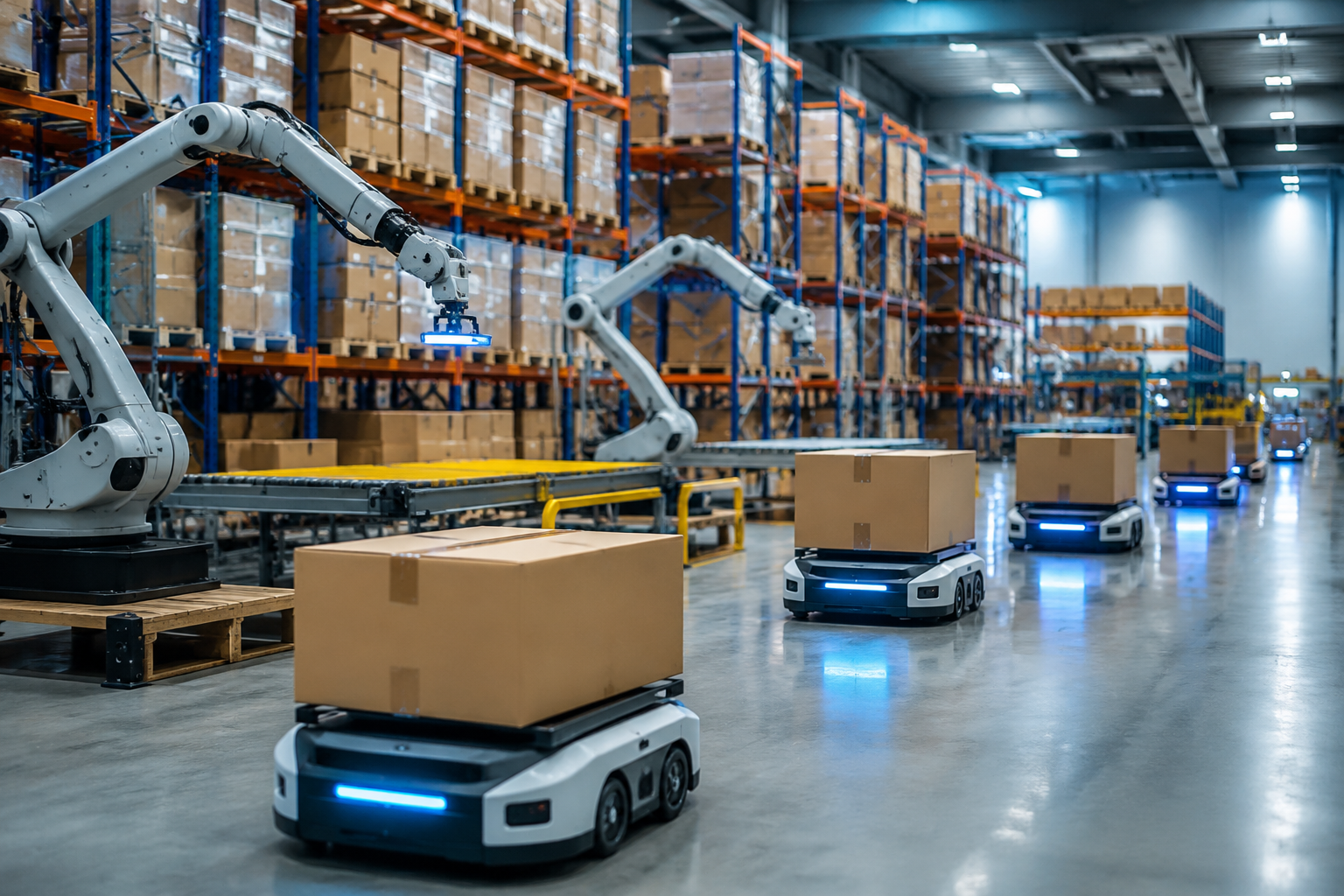
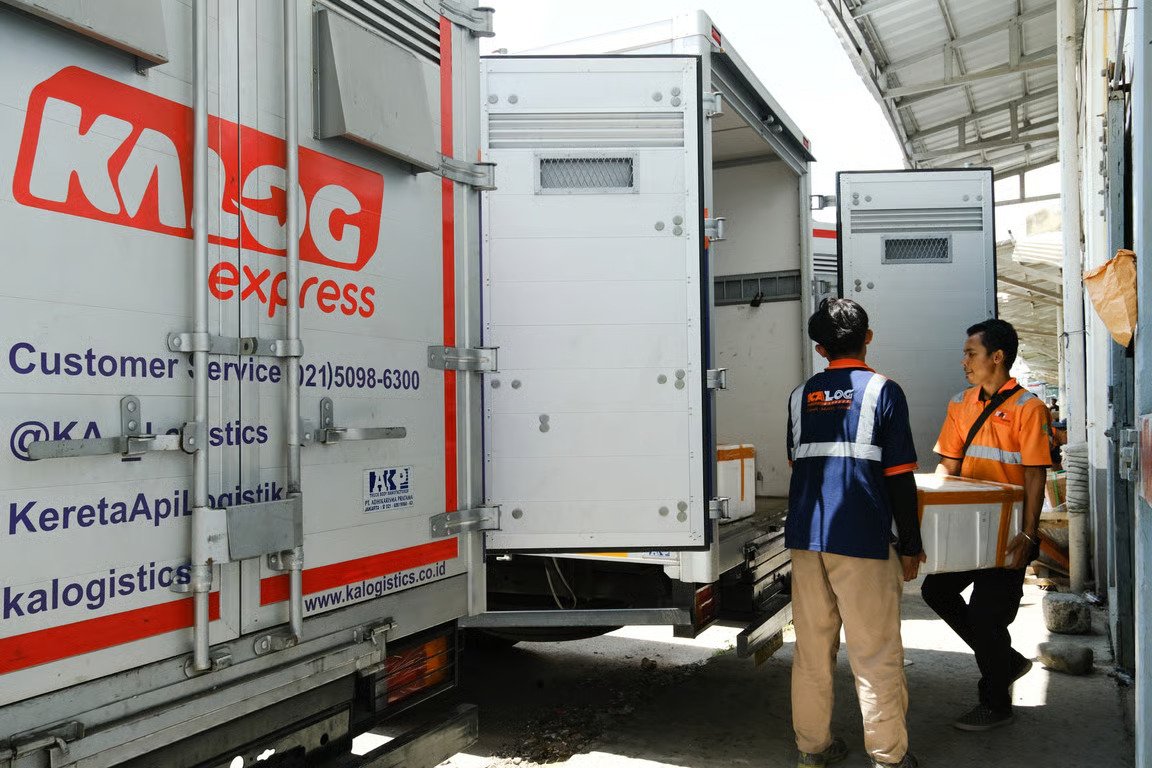
This is valuable because businesses can no longer rely on generic sustainability statements. Customers and investors increasingly expect evidence. A logistics company may need to identify emissions from vehicle fleets and warehousing. A food business may need to understand the footprint of cold storage and imported ingredients. A professional services firm may need to account for electricity use, business travel, and purchased services.
Turning Reports Into Decisions
The best start-ups go beyond annual reporting. They help companies simulate reduction pathways, compare suppliers, and prioritise actions based on cost and impact. This makes carbon data useful for executives, finance teams, procurement managers, and facility operators.
Smart Buildings Offer Immediate Sustainability Gains
Another practical area is building efficiency. Singapore’s commercial towers, hotels, hospitals, and retail spaces require significant cooling. Start-ups using AI and sensor networks can detect inefficient air-conditioning schedules, equipment faults, and mismatches between occupancy and energy use.
Unlike some sustainability investments that require long payback periods, building optimisation can produce visible cost savings. That makes it easier for companies to adopt. It also supports national goals around greener buildings under the Singapore Green Plan 2030.
Circular Solutions Address Resource Constraints
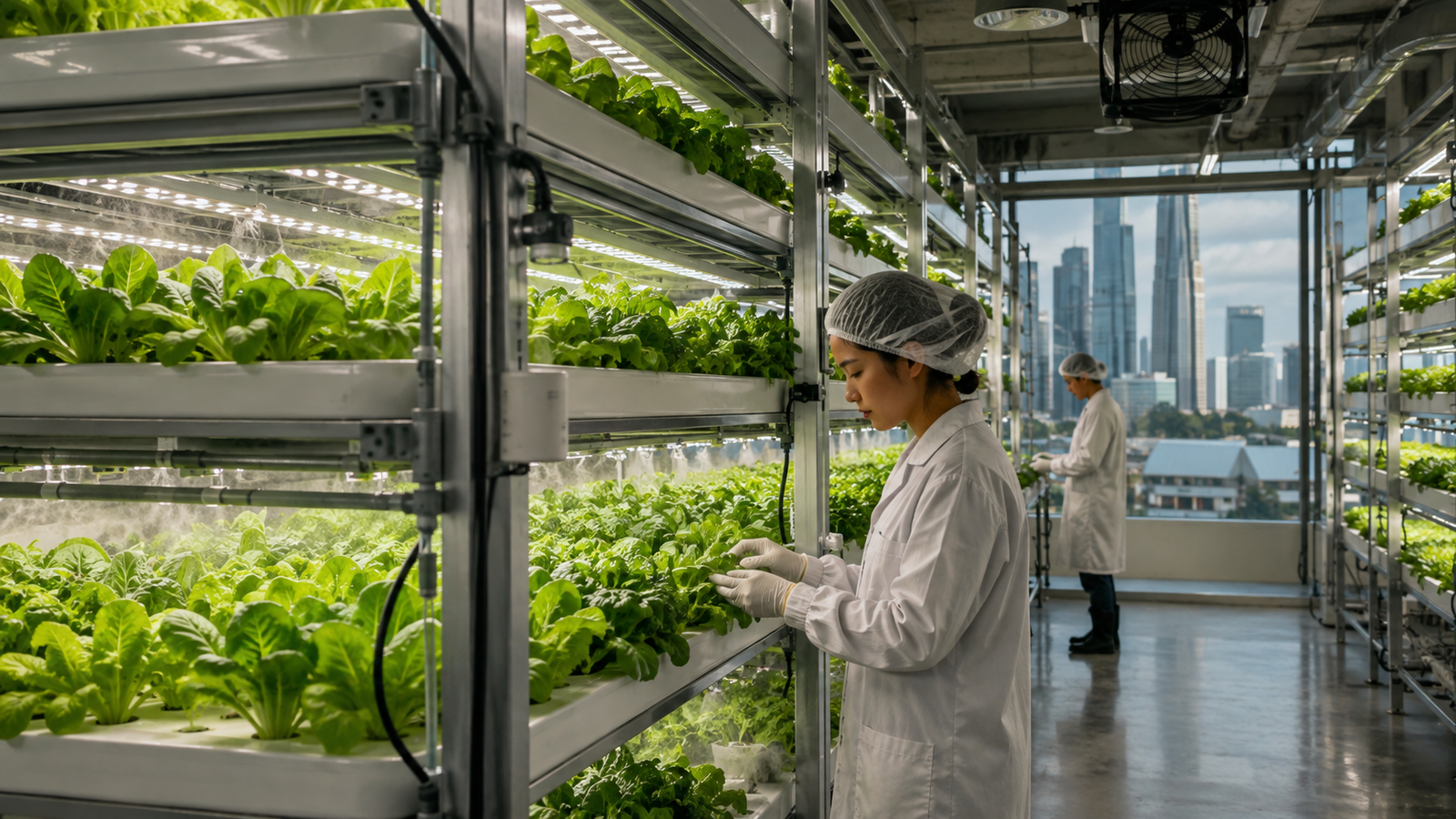
Singapore’s resource limits make circular economy innovation a necessity. Start-ups are exploring technologies that turn food waste into useful by-products, improve recycling separation, reduce single-use packaging, and create digital exchanges for surplus materials.
A meaningful example is the food service sector. Restaurants, hotels, and caterers often struggle with demand forecasting. Technology can predict consumption patterns, reduce over-ordering, and redirect surplus before it becomes waste. This is sustainability that works at the level of daily operations.
The Bigger Picture for Singapore
Singapore’s sustainability start-ups are not trying to replace large infrastructure or national policy. Their value is speed, experimentation, and precision. They can test tools quickly, gather data, and adapt solutions to specific industries.
The country’s compact size also helps. A pilot project can involve property owners, regulators, research institutions, and investors within a relatively connected ecosystem. Once proven, the solution can be exported to larger Southeast Asian markets with similar urban pressures.








Leave a Reply