Singapore’s integration of technology into daily life has significantly elevated the quality of living for its residents. The nation’s focus on innovation spans transportation, healthcare, urban infrastructure, education, and public administration, creating a society that values efficiency, sustainability, and citizen-centric solutions.
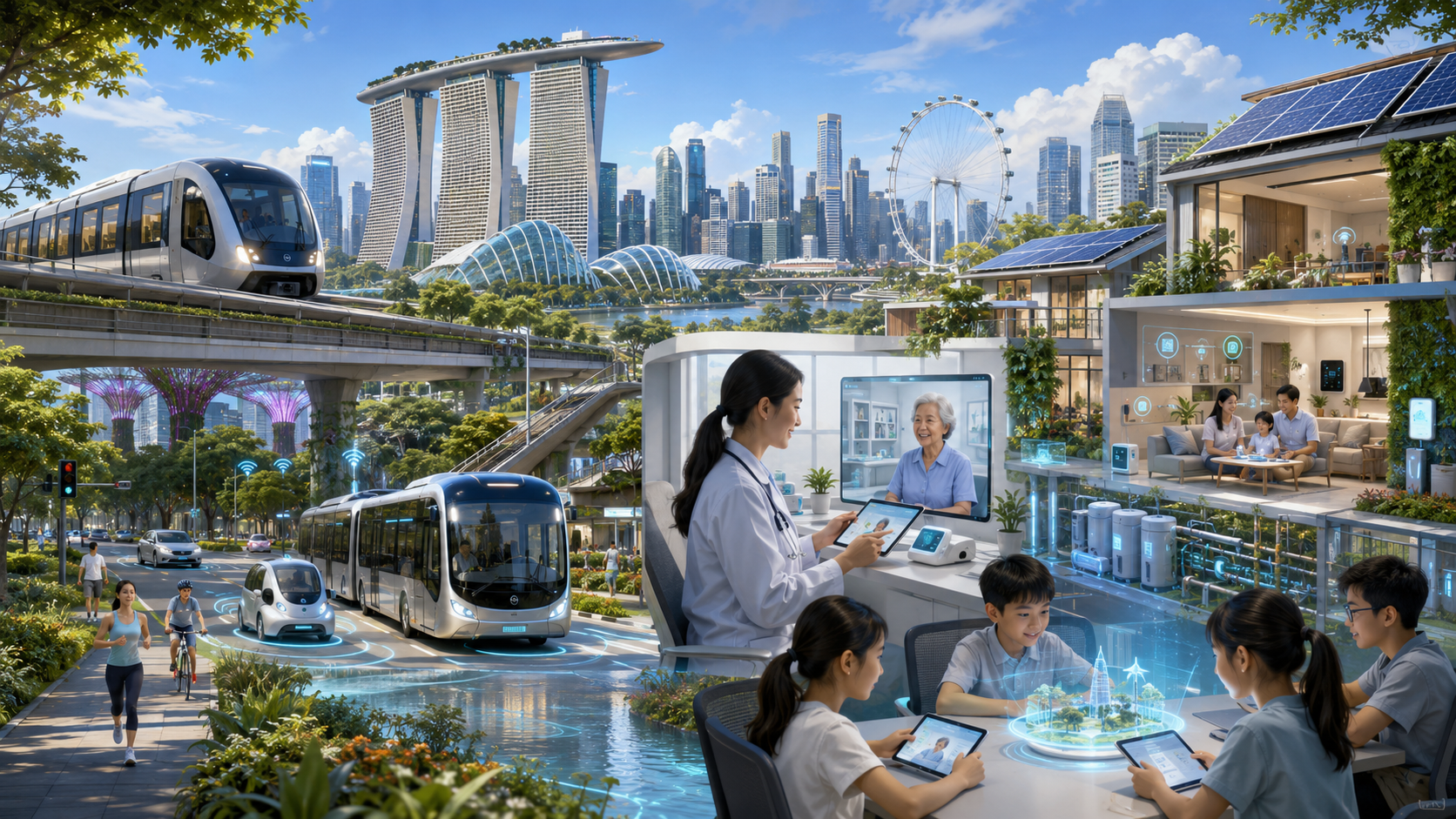
Transportation systems in Singapore exemplify how technology can simplify everyday life. The Land Transport Authority utilizes data analytics, AI, and sensor-based monitoring to streamline traffic and optimize public transit operations. Real-time updates and integrated ride-hailing apps allow commuters to plan journeys efficiently, reducing stress and time spent in transit. Trials of autonomous vehicles and electric buses highlight Singapore’s commitment to greener, more advanced mobility solutions.
Healthcare services benefit from digital technologies that improve efficiency and accessibility. Hospitals and clinics employ electronic health records and AI-assisted diagnostics for faster, more accurate care. Telemedicine and mobile health applications empower residents to monitor their health and consult medical professionals remotely. Wearable devices encourage proactive health management, fostering a culture of preventive care and improved patient outcomes.
Smart city initiatives integrate technology into urban management to create sustainable, convenient living spaces. Sensors and IoT devices optimize energy, water, and waste management, while smart homes provide automated lighting, climate control, and security systems. Residents enjoy increased comfort, safety, and environmental responsibility, reflecting a well-rounded approach to urban planning that combines innovation with sustainability.
Education has transformed through digital tools, enabling interactive, personalized learning experiences. AI-driven platforms track student performance and adapt content to individual needs. Virtual classrooms and online resources expand access to quality education while developing essential digital literacy skills. This technological integration equips students for the demands of a rapidly evolving workforce and enhances learning outcomes.
Digital governance in Singapore streamlines access to public services. E-government platforms allow residents to complete administrative tasks such as paying bills, renewing licenses, and applying for permits online. This reduces bureaucratic delays, saves time, and improves accessibility. By prioritizing efficiency and citizen convenience, technology enhances the overall quality of life.
Singapore demonstrates that strategic implementation of technology can profoundly improve living standards. By advancing transportation, healthcare, urban sustainability, education, and governance, the city-state provides a blueprint for how innovation can enrich the daily lives of its citizens while promoting a smarter, healthier, and more connected society.