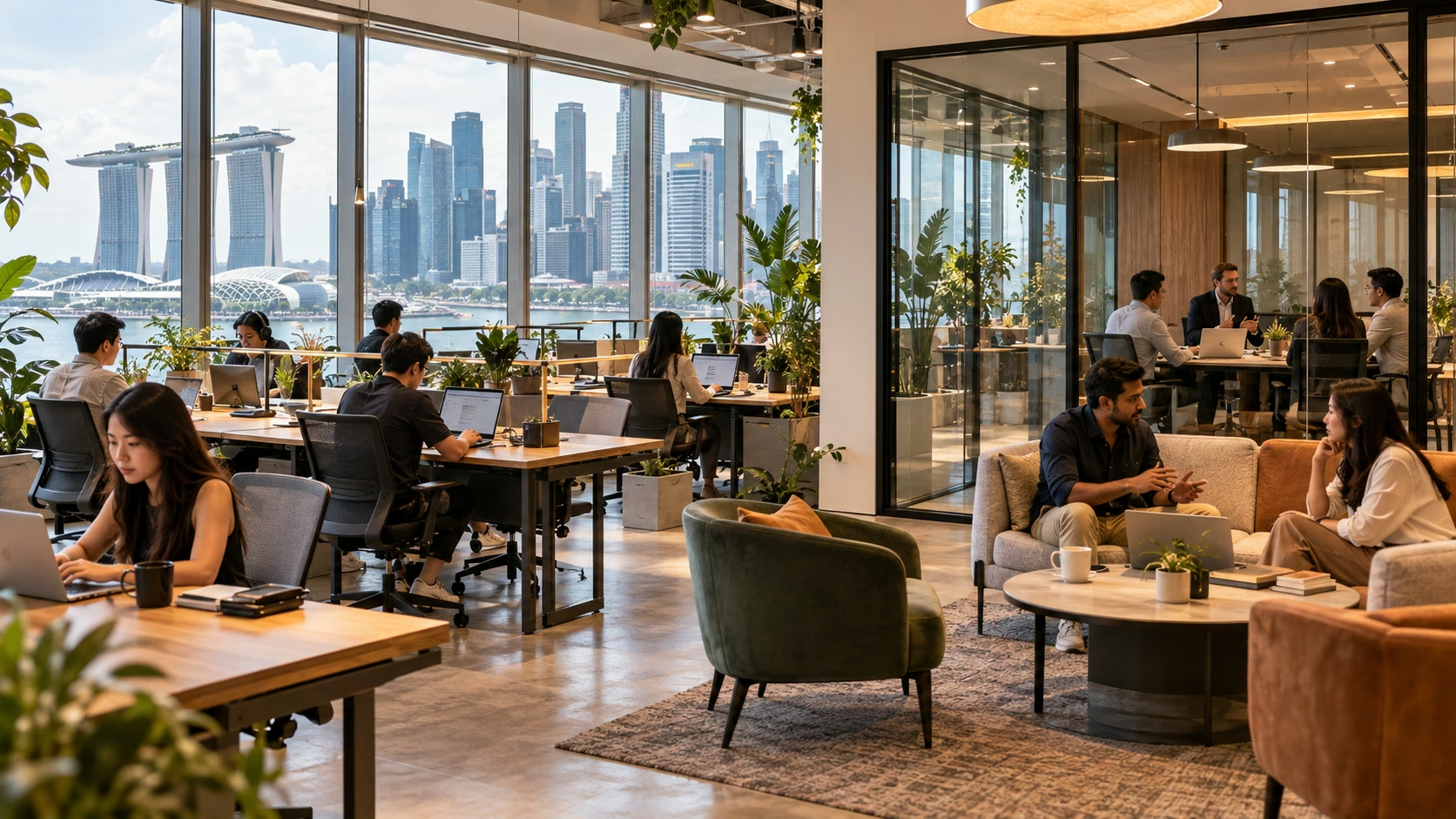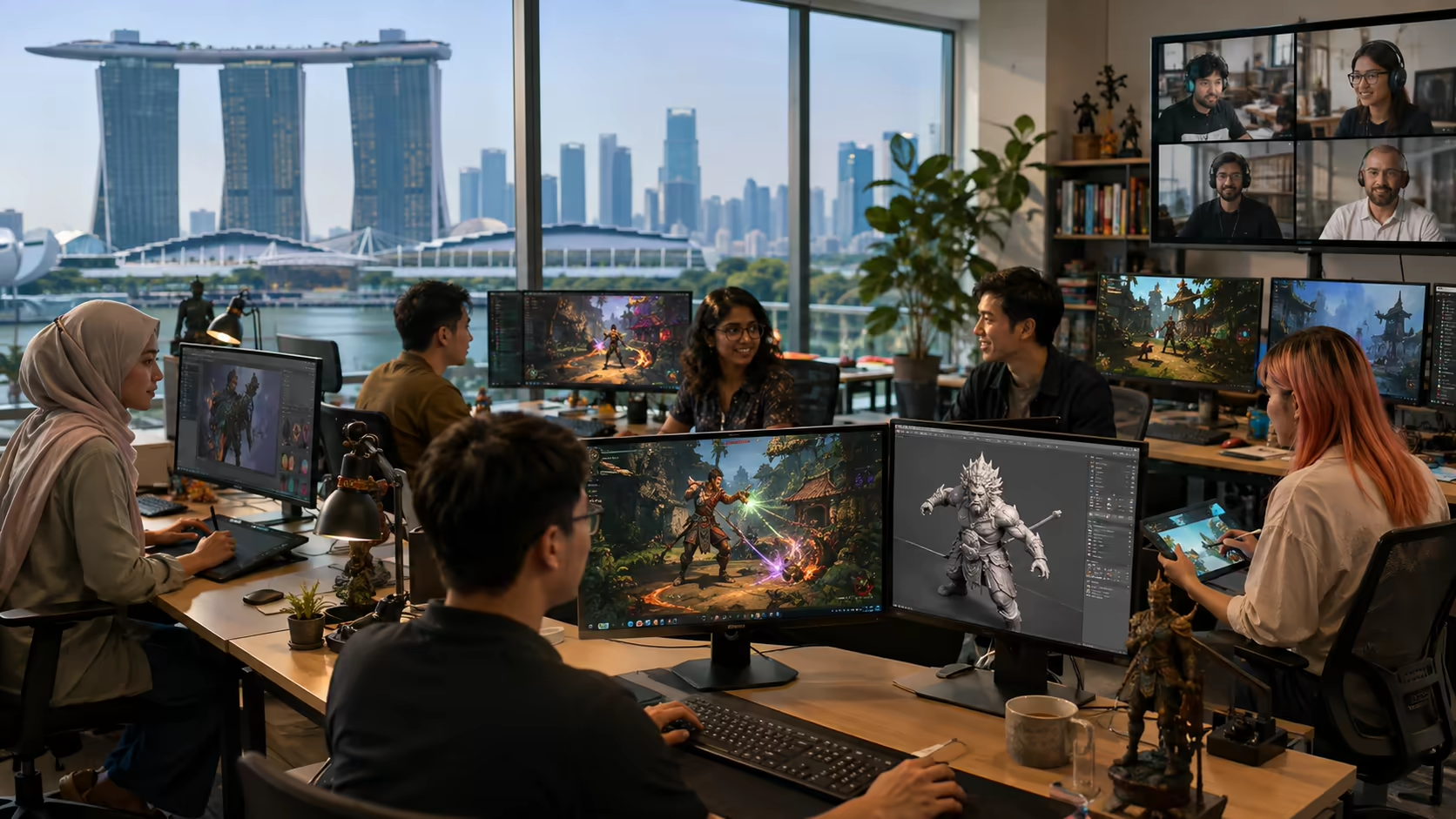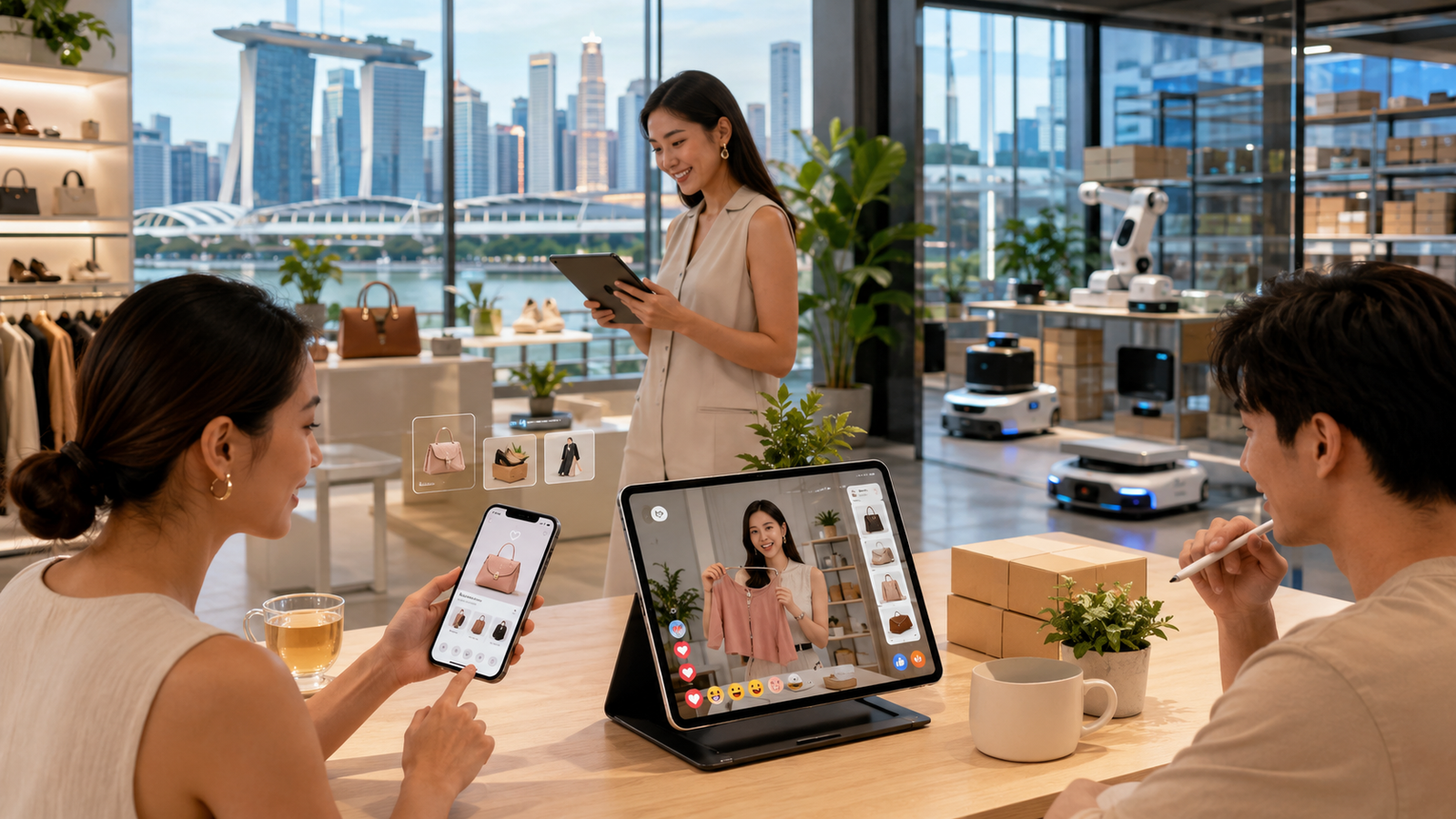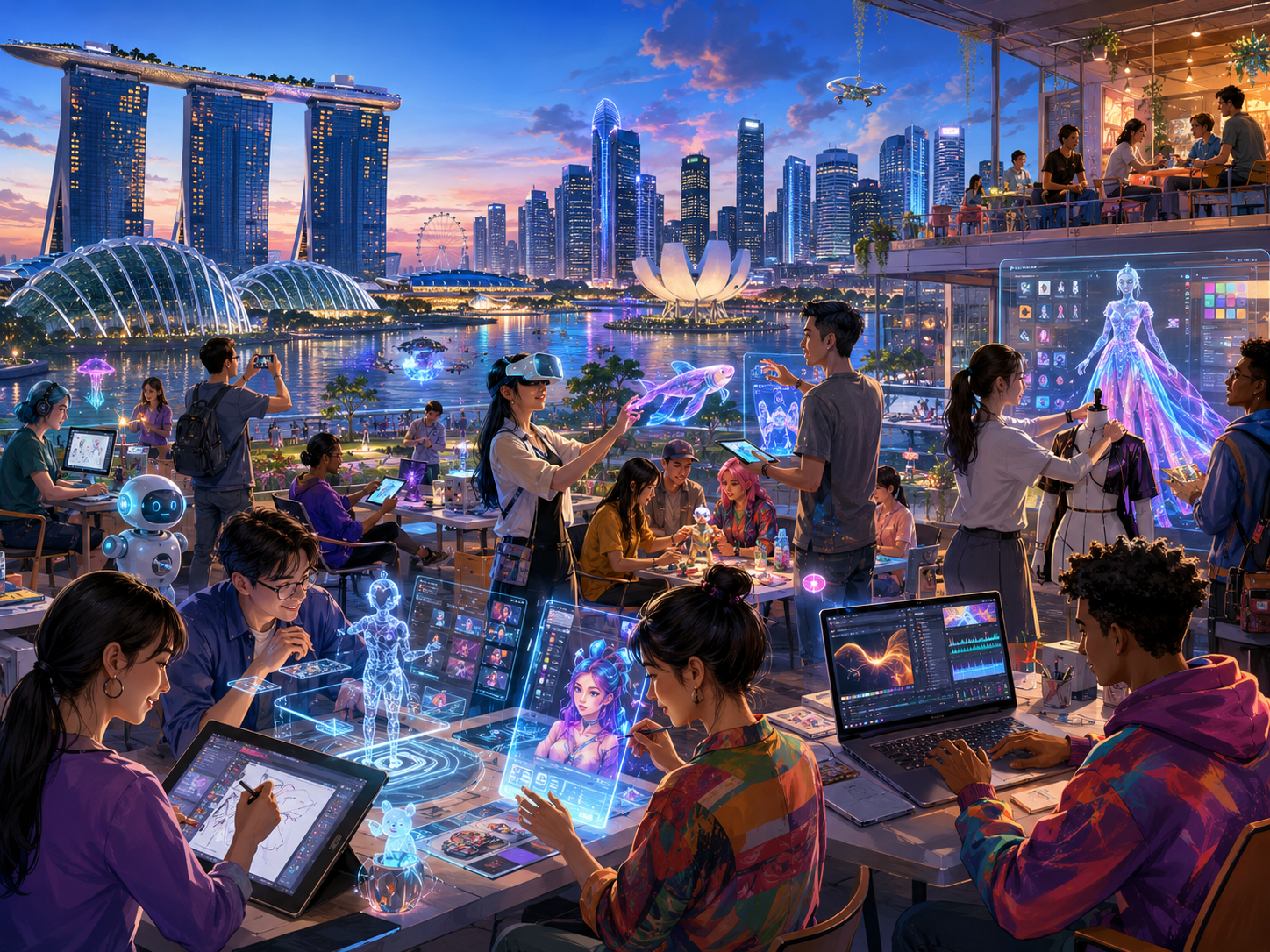
Singapore’s creative start-up ecosystem is a strong example of how technology can expand the possibilities of the creative industries. Instead of treating creativity and technology as separate fields, many entrepreneurs in Singapore are combining them to build new business models in media, design, entertainment, advertising, fashion, education, and digital culture. This combination has made the country an important hub for creative innovation in Southeast Asia.
One reason for this growth is Singapore’s strong digital environment. Entrepreneurs have access to reliable connectivity, modern payment systems, cloud services, digital marketing tools, and a sophisticated consumer base. These conditions allow start-ups to experiment with new formats, from virtual events and online communities to AI-assisted design and interactive storytelling. For creative founders, technology reduces barriers and makes it easier to turn ideas into products.
The creative economy is also changing because audiences now expect more personalized and interactive experiences. People do not only watch content; they comment, share, remix, purchase, subscribe, and participate. This shift creates opportunities for start-ups that understand user engagement. A media start-up can create content designed for specific communities. A gaming company can build interactive worlds where users become part of the story. A design platform can allow customers to customize products before buying them.
Singapore’s start-ups are also using data to improve creativity. In the past, creative decisions were often based mainly on intuition or client preference. Today, companies can analyze viewing patterns, customer behavior, social media performance, and purchasing trends. This does not remove the need for imagination, but it helps creative teams make smarter decisions. A campaign can be adjusted after studying audience response, and a product design can be improved after reviewing user feedback.
Another important development is the rise of creator-focused technology. Many independent artists, writers, designers, musicians, and video producers need platforms that help them monetize their work. Start-ups can support these creators through digital marketplaces, subscription tools, royalty management systems, online learning platforms, and community-building services. In this way, technology helps creative professionals become more independent and commercially sustainable.
Singapore’s location is another advantage. The country sits at the center of Southeast Asia, a region with young populations, high mobile usage, and rapidly growing digital markets. A creative start-up based in Singapore can develop professional credibility locally while designing products for regional audiences. This makes Singapore attractive not only as a domestic market but also as a strategic headquarters.
Collaboration is central to the success of this ecosystem. Creative technology start-ups often work with corporations, government agencies, schools, cultural institutions, and international partners. These collaborations help them test ideas in real-world settings. For example, a start-up building immersive learning tools might work with educators, while a digital art platform might partner with galleries or festivals.
The challenges are significant. Creative businesses must deal with fast-changing trends, high customer expectations, rising competition, and the cost of skilled talent. They also need to protect originality in an environment where digital content can be copied or reproduced easily. Start-ups that rely only on novelty may struggle, while those with strong strategy, clear value, and adaptable technology are more likely to last.
Singapore’s creative start-ups show that the future of innovation is not purely technical. It also depends on emotion, culture, design, storytelling, and human experience. By merging technological capability with creative vision, these companies are helping define a more dynamic and imaginative digital economy.