

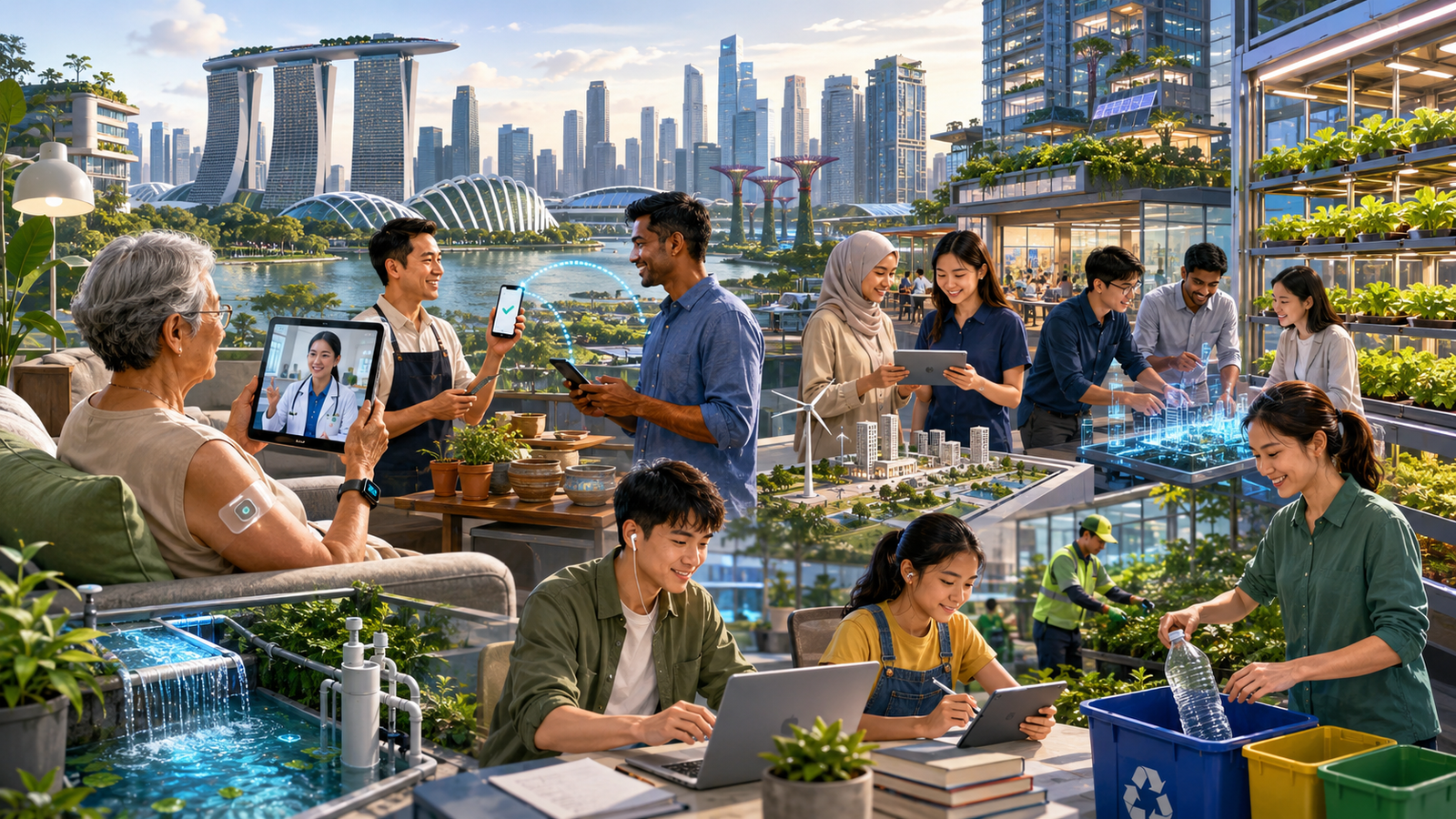
The start-up scene in Singapore is increasingly shaped by a practical question: how can technology solve real social problems? Founders are no longer interested only in building fast-growing platforms for lifestyle convenience. Many are focusing on solutions that improve healthcare, expand access to financial services, strengthen education, support sustainability, and make urban living more resilient. Singapore’s strong digital infrastructure, policy support, and position as a gateway to Southeast Asia make it a powerful environment for this type of innovation.
Health technology is one of the most important examples. Singapore faces growing healthcare demands as its population ages, and start-ups are helping to redesign how care is delivered. Digital consultation platforms make medical advice easier to access, while remote monitoring tools help patients manage chronic conditions from home. Wearable devices and smart sensors can detect unusual patterns and alert caregivers before a problem becomes serious. These solutions are especially useful for elderly people who want to remain independent but still need safety and support. They can also reduce pressure on hospitals by shifting some care into homes and communities.
Another major innovation trend is inclusive fintech. Even in a well-developed financial center, many people and small businesses need simpler, cheaper, and more flexible financial tools. Start-ups are offering digital wallets, remittance services, small-business finance platforms, insurance technology, and budgeting apps. These products can help migrant workers transfer money more affordably, help entrepreneurs track income and expenses, and help families manage savings. Good fintech innovation is not just about faster transactions; it is about giving users more control over their financial lives.
Education and workforce development are also central to Singapore’s social-tech movement. As automation and digital transformation change job requirements, workers must continue learning throughout their careers. Start-ups are creating online platforms that support reskilling, professional development, tutoring, and personalized learning. Some use artificial intelligence to recommend lessons based on individual performance. Others help employers identify skills gaps and design training pathways. For students, digital learning tools can provide additional support beyond school hours. For adults, they can make career transitions more realistic.
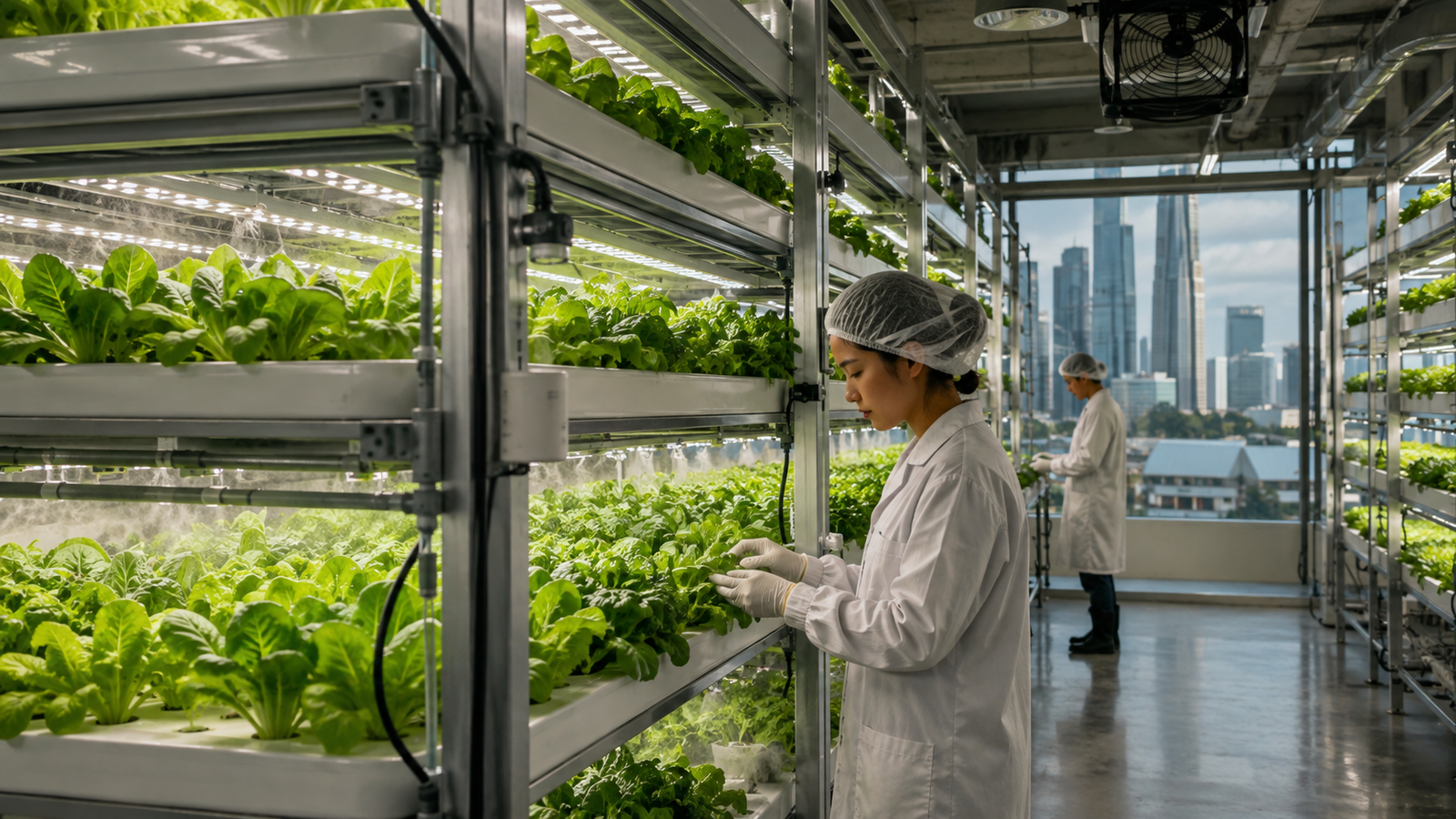
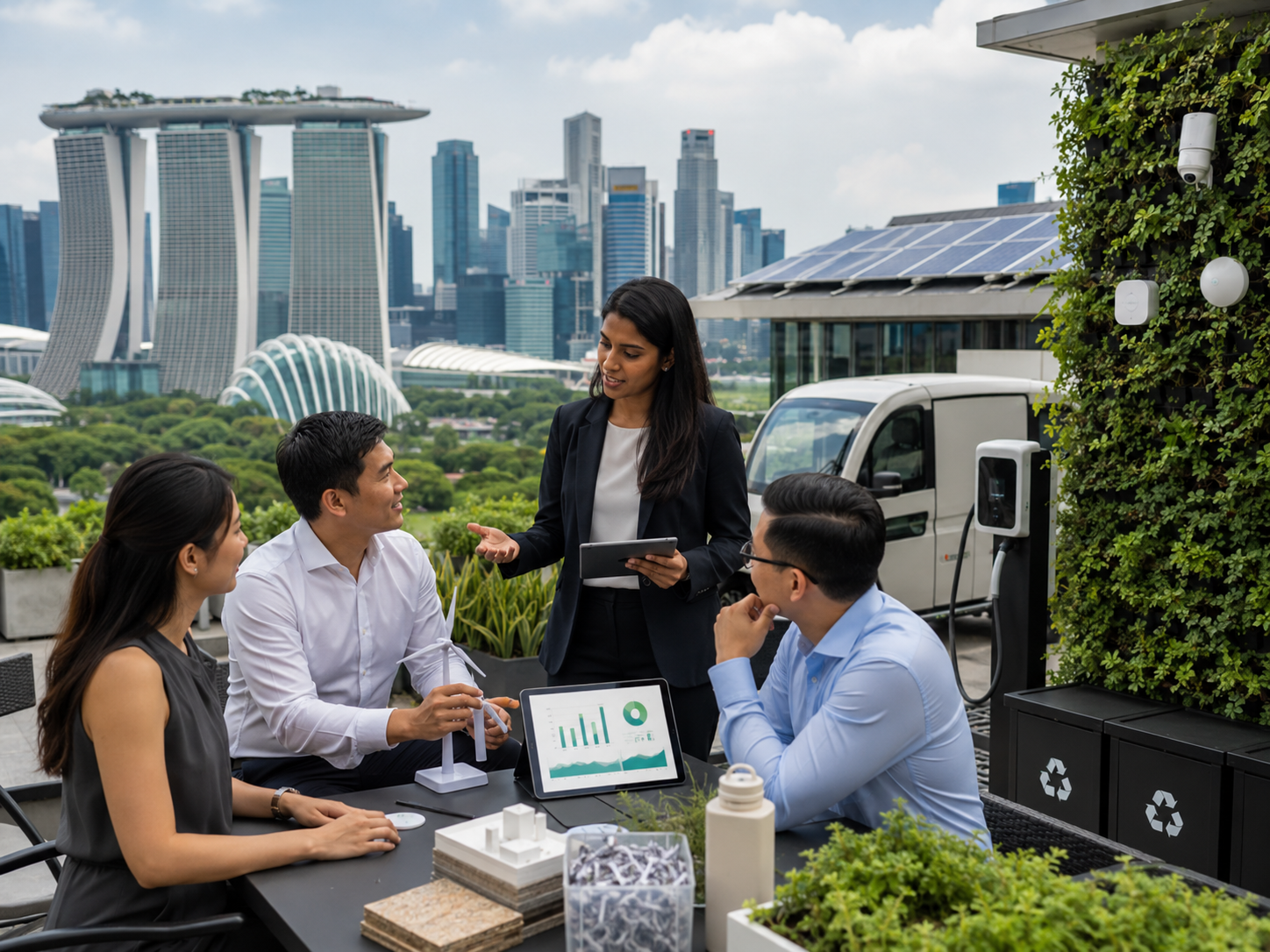
Environmental challenges are pushing start-ups to think beyond traditional business models. Singapore’s limited land, high urban density, and resource constraints create demand for smarter sustainability solutions. Start-ups are experimenting with food-waste reduction, urban agriculture, alternative food production, smart recycling, energy-management systems, and water-efficiency technologies. These solutions help households, restaurants, offices, and public spaces reduce environmental impact. They also support Singapore’s broader ambition to build a cleaner and more resource-conscious urban economy.
A defining feature of Singapore’s ecosystem is collaboration. Start-ups often work with universities, research centers, government agencies, hospitals, banks, and large corporations. This gives them opportunities to test products in real environments and improve them before wider adoption. However, social innovation also creates responsibility. Companies must protect personal data, design for accessibility, and avoid making essential services too expensive. Technology that is too complex or costly may deepen inequality instead of reducing it.
The most valuable Singaporean start-ups are those that combine innovation with social understanding. They recognize that a successful product must solve a genuine problem for real users. Whether the issue is elderly care, financial insecurity, learning access, or environmental pressure, technology works best when it is designed with empathy, trust, and long-term impact in mind.









Leave a Reply