


Singapore is emerging as an important centre for specialised space technology development in 2026, supported by advances in miniaturised satellites, intelligent computing and precision engineering. The country’s expanding space ecosystem is creating opportunities for technology startups to develop products that serve both satellite operators and businesses on Earth.
Unlike traditional space programmes dominated by large government organisations, modern commercial space activities increasingly involve smaller companies producing individual components, software platforms and specialised technical services.
For Singapore, this creates a realistic pathway into the international space market without requiring domestic companies to control every stage of satellite development.
Singapore Builds an Integrated Space Technology Ecosystem
The National Space Agency of Singapore began operating on April 1, 2026, with responsibility for coordinating national space capabilities, industry development and international cooperation.
Its establishment builds on more than a decade of work by the Office for Space Technology and Industry.
Singapore’s space sector currently includes approximately 70 companies and 2,000 professionals and researchers, covering areas such as spacecraft engineering, satellite communications, remote sensing and geospatial analytics.
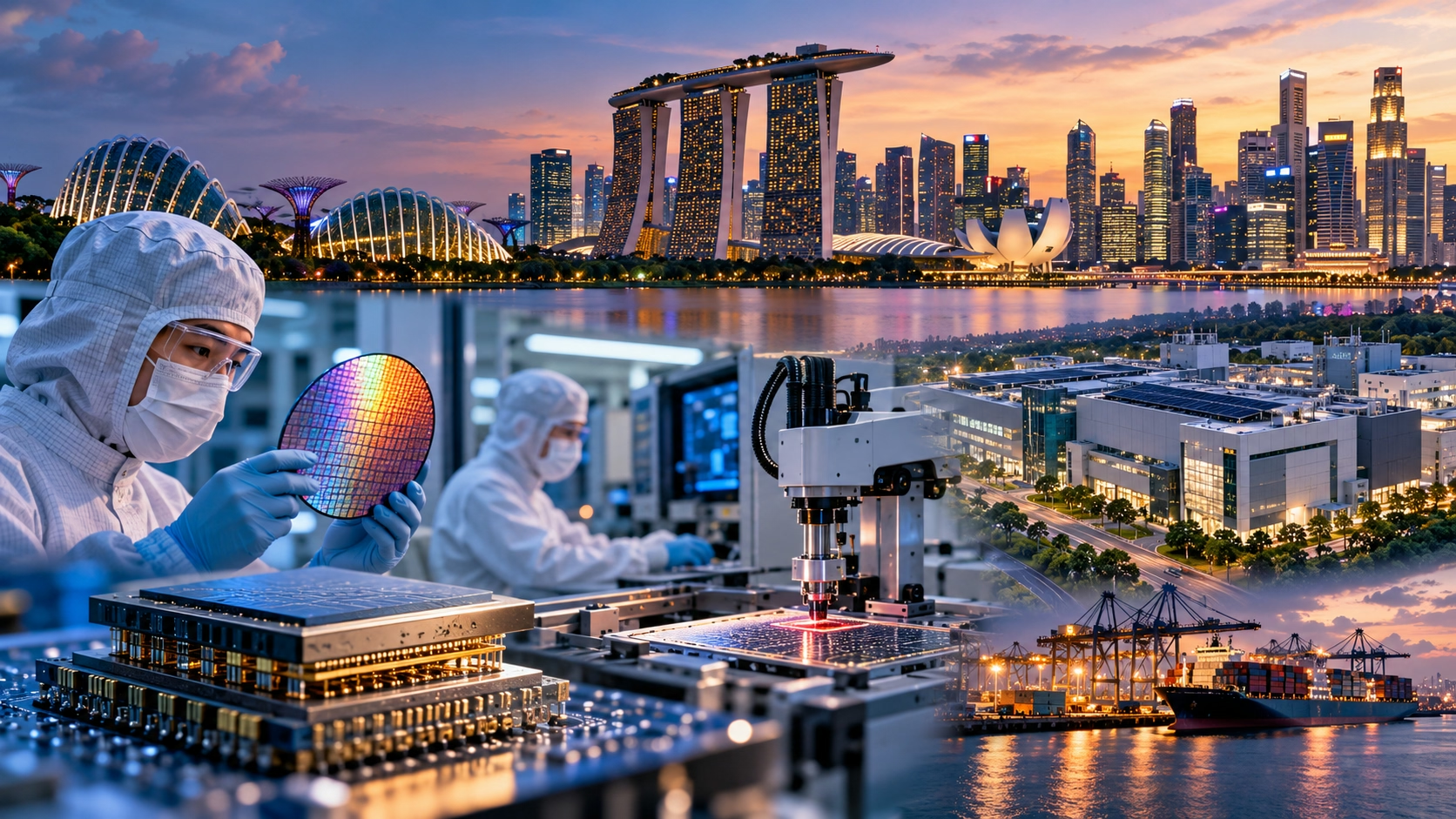
The country’s existing expertise in semiconductors, aerospace manufacturing and artificial intelligence provides advantages for businesses developing specialised satellite equipment.
NTU Projects Show How Small Satellites Support Startups
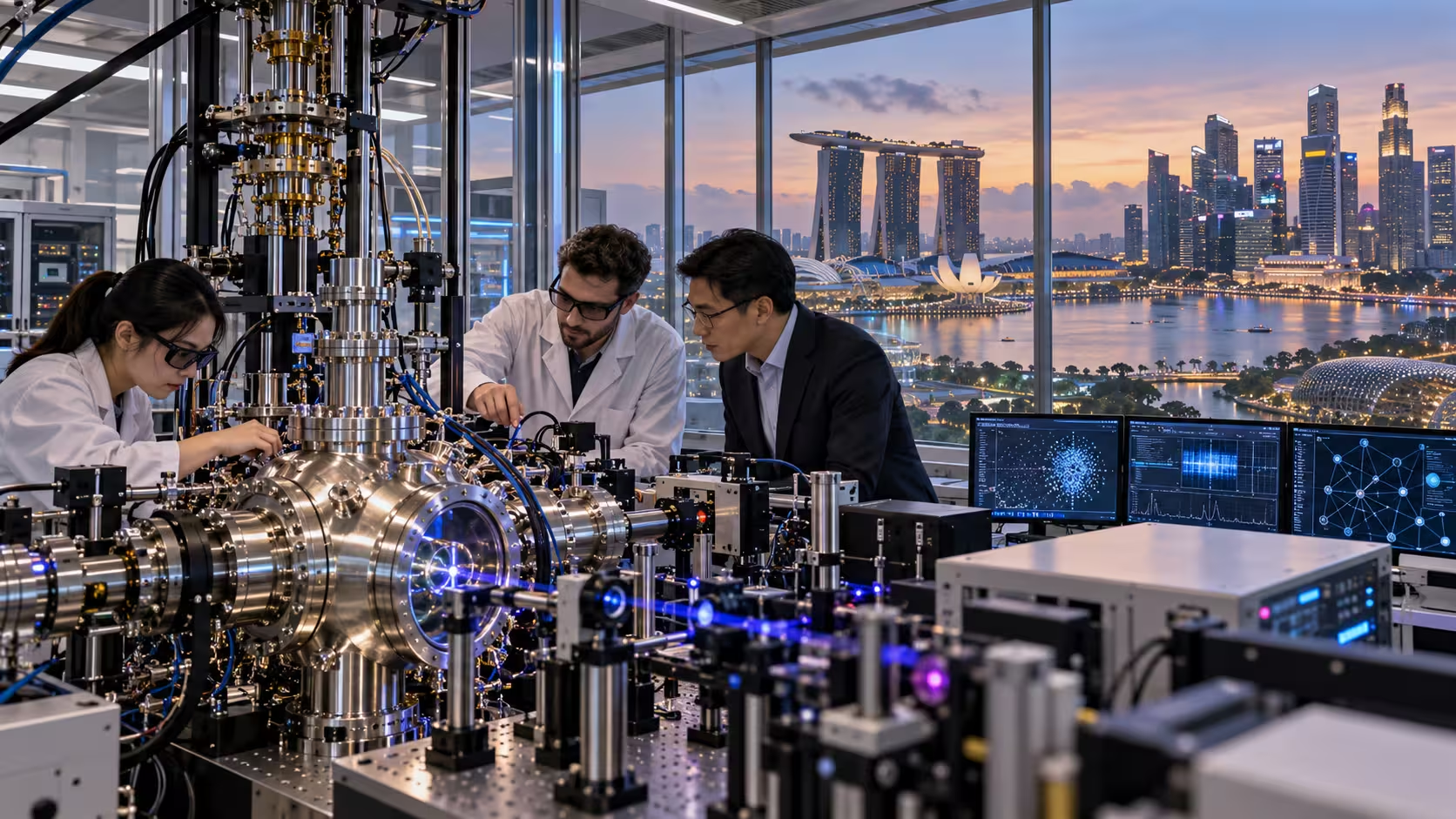
A significant example emerged in February 2026, when Nanyang Technological University announced three new projects under Singapore’s Space Access Programme.
According to NTU’s official February 2026 announcement, one project involves a nanosatellite equipped with onboard AI capabilities.
The spacecraft, being developed with Satoro Space, is designed to analyse satellite images while in orbit rather than transmitting all raw information to Earth.
Such technology could support faster environmental monitoring and reduce dependence on bandwidth-intensive data transfers.
The project also includes lightweight perovskite solar cells being developed with local startup Singfilm.
Another planned satellite will carry an electric propulsion system developed by NTU spin-off Aliena, while a separate project will test optical imaging technology associated with LightHaus Photonics.
These initiatives demonstrate how universities and startups can collaborate to validate technologies intended for commercial space applications.
Satellite Data Services Expand the Addressable Market
Although satellite hardware attracts considerable research investment, downstream data applications may offer more accessible commercial opportunities.
Startups can develop platforms that interpret satellite observations for maritime surveillance, urban planning, agriculture and environmental risk assessment.
Singapore’s NeuSAR programme demonstrates the importance of radar-based Earth observation, particularly in regions where persistent cloud cover limits conventional optical imaging.
Companies combining radar information with machine learning could provide more useful intelligence for customers managing ports, coastlines or agricultural operations.
Research Funding Reduces Some Development Barriers
Singapore’s Space Technology Development Programme supports technology development, experimental validation and access to in-orbit testing.
The programme had secured S$210 million for innovation by 2025 and continues to support strategically relevant space research.
Access to testing infrastructure is particularly valuable because satellite components must demonstrate reliability under radiation exposure, temperature fluctuations and other demanding conditions.
However, commercialisation still requires significant engineering investment and credible customers.
Singapore’s Competitive Advantage Lies in Specialisation
The country’s space startups face competition from larger international manufacturers and satellite service providers.
Success will depend on developing technologies that are difficult to replicate, demonstrating dependable operational performance and securing partnerships across international markets.
Singapore’s combination of academic research, specialised engineering and regional commercial connectivity could position its startups as suppliers of important technologies within the wider space industry.







Leave a Reply