

From Wards to Operating Theatres
Singapore’s healthcare system faces a dual challenge: an ageing population demanding more complex care and a chronic shortage of nurses and technicians. Robotics startups are answering the call with two parallel streams—autonomous delivery systems that free up clinical staff, and surgical robots that enhance physician capability. By 2026, these technologies are embedded in public and private hospitals alike.
Biobot Surgical’s Prostate Robot Sets Accuracy Records
One of the standout homegrown success stories is Biobot Surgical, whose iSR’obot Mona Lisa 2.0 system for transperineal prostate biopsy and treatment has gained regulatory approval in multiple markets. The robot fuses MRI and real-time ultrasound to place needles with sub-millimetre accuracy, dramatically reducing infection risk and improving cancer detection rates. In 2026, Biobot reported that over 5,000 procedures had been completed globally, and a pivotal trial for robotic brachytherapy delivered an 87% reduction in incontinence compared to manual methods. The system is manufactured in Singapore’s Medtech Hub, showcasing the nation’s vertical integration capability.
Autonomous Delivery Robots Cut Hospital Wait Times
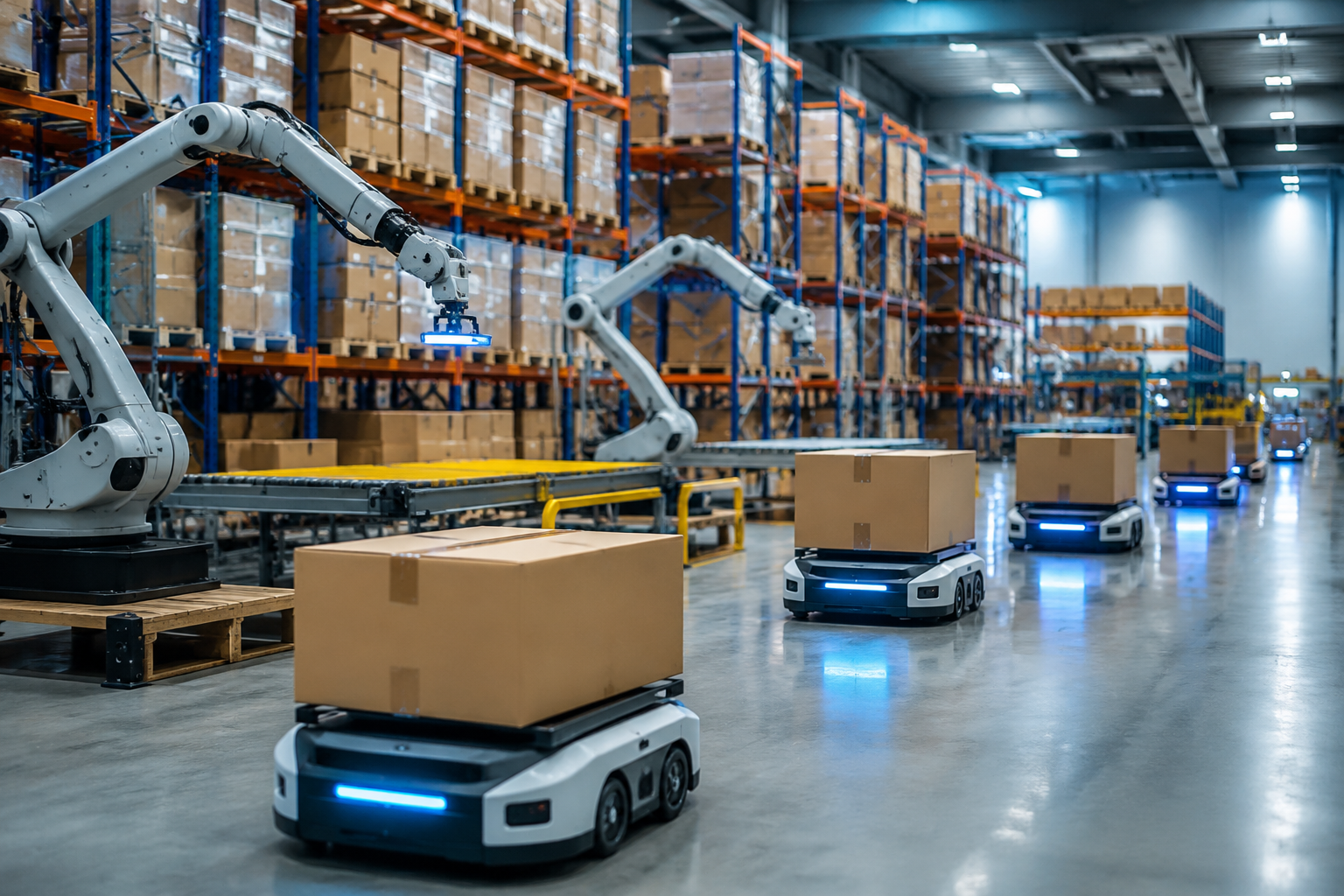
Meanwhile, the halls of Tan Tock Seng Hospital and Singapore General Hospital are navigated by fleets of service robots developed by startups like Otsaw and Techmetics. These units transport medications, lab specimens, meals, and linens without human intervention, using lifts and automatic doors via IoT integration. The Ministry of Health’s 2026 Robotics in Healthcare Report indicated that such autonomous logistics reduced specimen turnaround time by 40% and allowed nurses at SGH to spend an additional 2.1 hours per shift on direct patient care.
Rehabilitation and Companion Robots
The ecosystem also extends to rehabilitation robotics. A*STAR spin-off Articares launched the H-Man, a portable upper-limb rehabilitation robot that gamifies therapy for stroke survivors. By 2026, the device is deployed in six community hospitals and is being trialled for home use with remote therapist supervision, potentially transforming post-stroke care delivery across ASEAN.












Leave a Reply