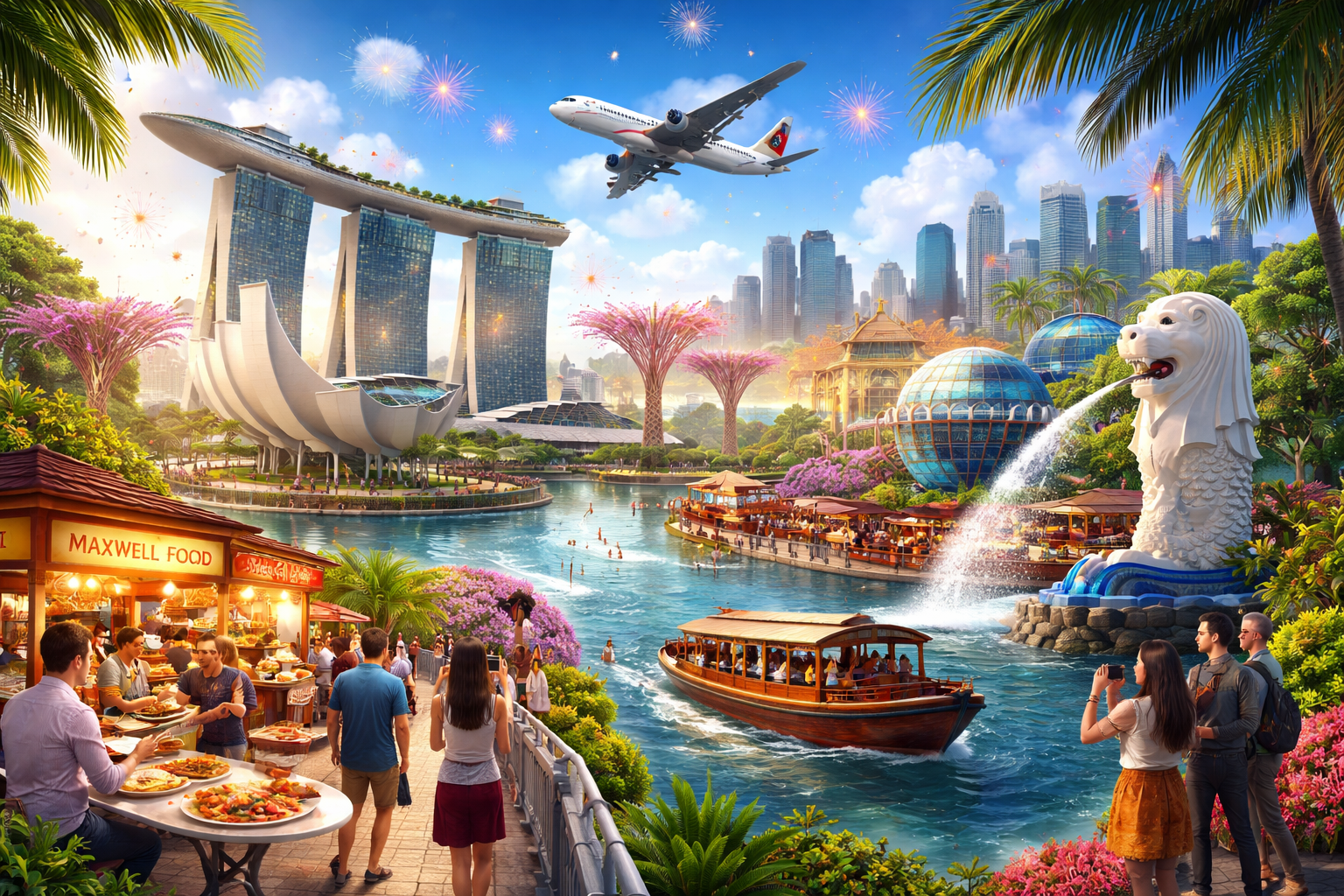
Singapore’s tourism industry is known for its efficiency and vibrancy, largely thanks to the significant contributions of various companies across multiple sectors. These businesses help craft an unforgettable experience for tourists by offering everything from top-notch accommodations to cultural attractions, making Singapore one of the world’s most popular travel destinations.
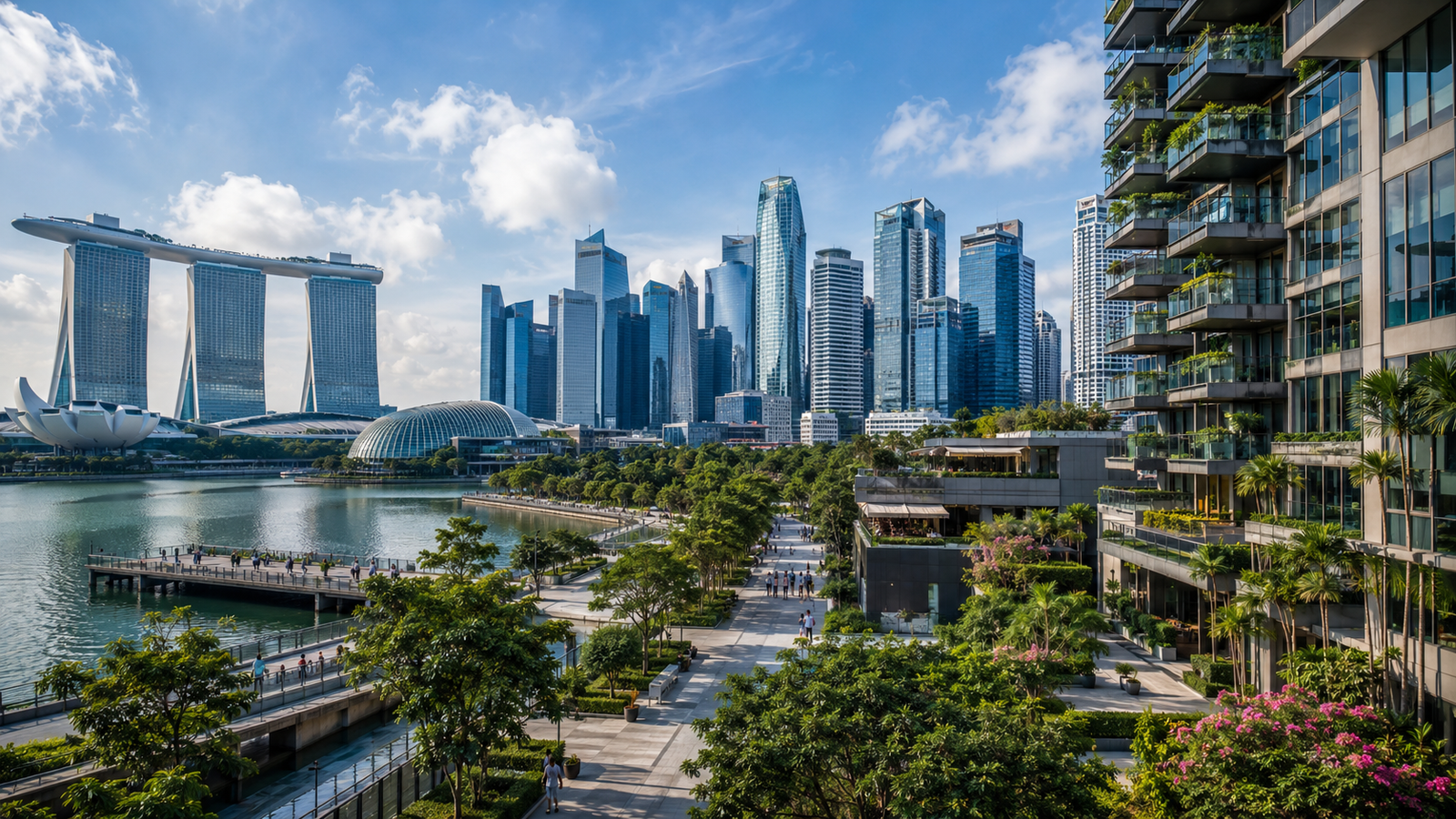
The hospitality sector is a major driving force in Singapore’s tourism. Leading hotels like Marina Bay Sands and Resorts World Sentosa are well-established global brands, offering much more than just luxurious stays. These integrated resorts feature entertainment, shopping, and dining options, ensuring that tourists have access to a complete leisure experience. Marina Bay Sands, with its iconic rooftop infinity pool and observation deck, provides a unique perspective of the Singapore skyline, while Resorts World Sentosa, with its expansive entertainment offerings, appeals to families, thrill-seekers, and tourists looking for relaxation.
Alongside these global hotel chains, smaller boutique hotels and local homestay services contribute to the diversity of Singapore’s hospitality offerings. These accommodations cater to travelers seeking more intimate experiences and are crucial in supporting the tourism sector by providing personalized service and local flavor.
Transportation is essential for a smooth tourist experience, and Singapore Airlines is at the forefront of bringing international visitors to the country. The airline is globally recognized for its impeccable service and extensive flight network, which connects Singapore to various parts of the world. In addition to the airline, Singapore’s public transport system, which includes the MRT, buses, and taxis, ensures that tourists can easily navigate the city.
Entertainment and leisure activities are significant contributors to tourism in Singapore. Universal Studios Singapore is one of the most visited attractions, offering an array of theme park rides and entertainment experiences. Sentosa Island, with its mix of resorts, beaches, and attractions, serves as a destination in its own right. These entertainment offerings make Singapore a must-visit destination for tourists looking for adventure and fun.
Cultural tourism also plays a vital role in Singapore’s tourism sector. Museums such as the National Gallery Singapore and the Asian Civilisations Museum highlight the country’s rich history, art, and cultural diversity. Additionally, cultural festivals like the Singapore Arts Festival and the Singapore International Film Festival attract tourists from around the globe, offering them a chance to experience Singapore’s artistic vitality.
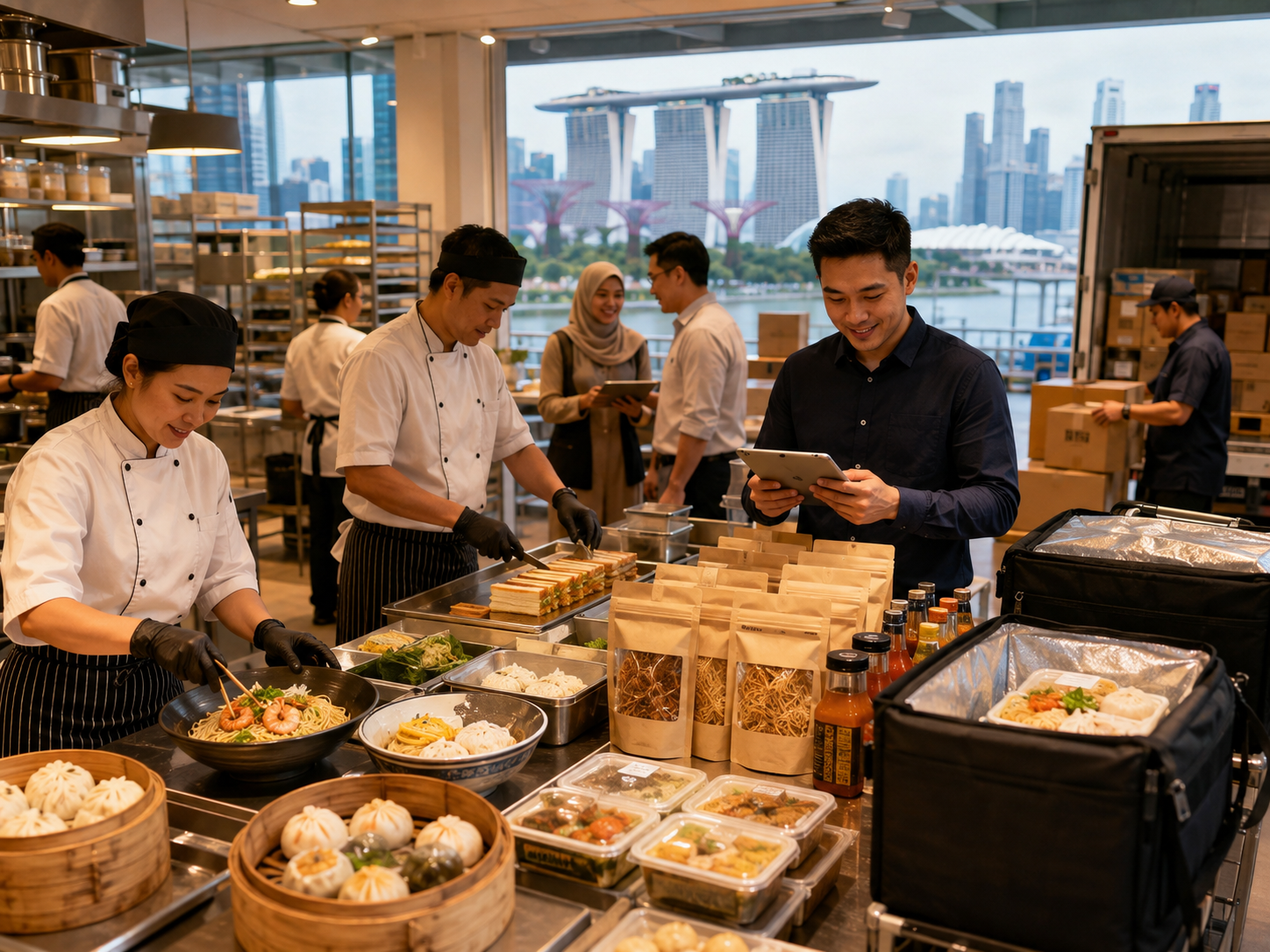
Finally, Singapore’s culinary scene is a major draw for international visitors. The city-state is renowned for its delicious food, ranging from local street food to fine dining. Hawker centers like Lau Pa Sat and Maxwell Food Centre offer a taste of authentic local dishes such as satay, chili crab, and laksa, making them a central part of the tourism experience.
In summary, companies across various sectors contribute to the growth of Singapore’s tourism industry. From luxury hotels to public transport, entertainment options to culinary offerings, each player in the ecosystem ensures that tourists have a rich, seamless, and unforgettable experience, helping Singapore maintain its status as a premier global tourism destination.