Singapore has become a global leader in IoT development, spearheading digital transformation across various sectors through its extensive use of IoT technologies. The nation’s ambitious vision of becoming a Smart Nation has made IoT integral to its infrastructure, services, and daily life. By connecting people, devices, and systems, Singapore has created a highly efficient, sustainable, and intelligent city that serves as a model for the rest of the world.
The Smart Nation initiative, launched in 2014, is the foundation of Singapore’s IoT success. This initiative seeks to harness technology to improve public services, create economic opportunities, and enhance citizens’ quality of life. At the heart of this transformation is IoT, which is being used to improve everything from healthcare and transportation to urban planning and home automation.
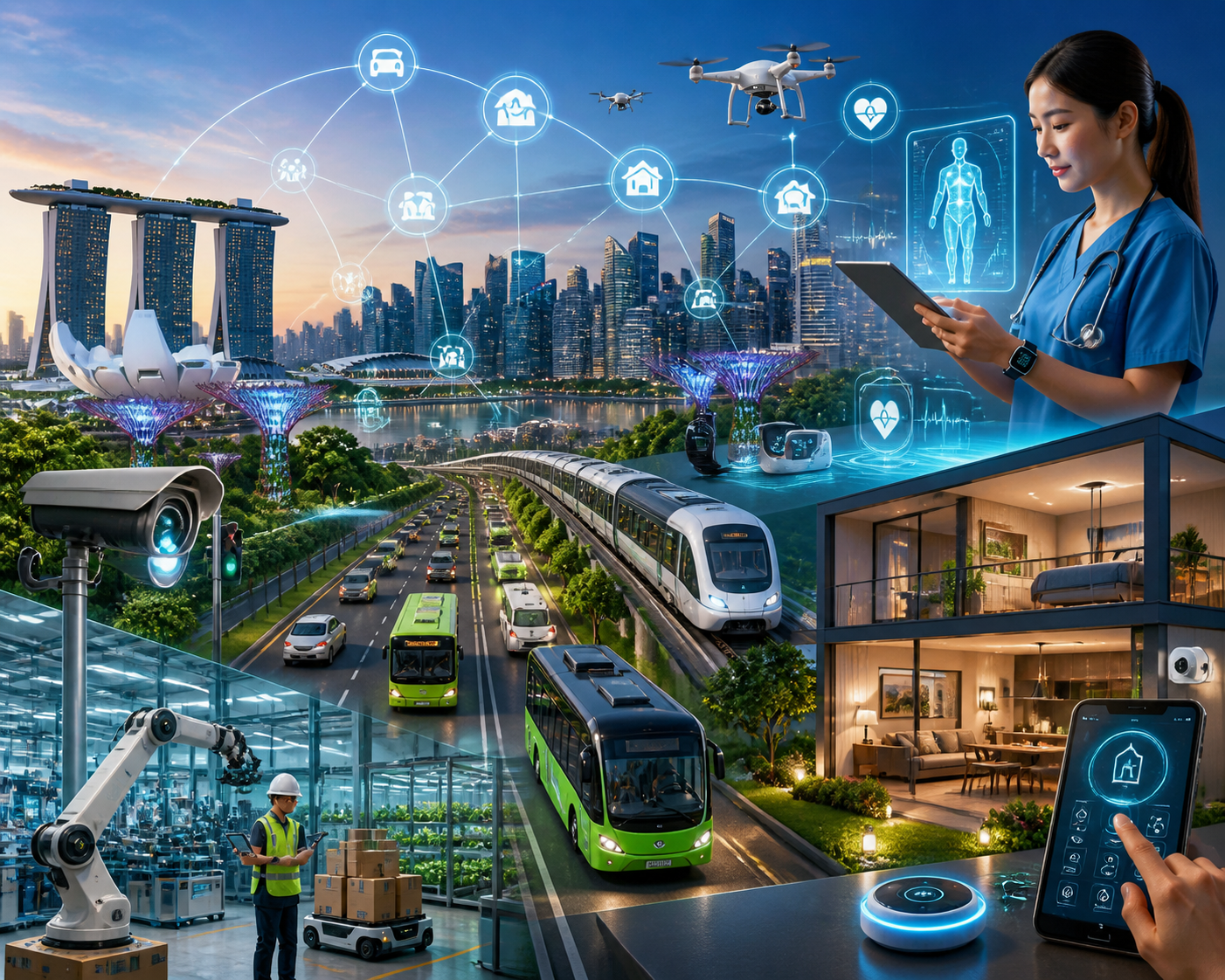
In healthcare, IoT has enabled Singapore to build a cutting-edge system for remote patient monitoring. Wearable devices and sensors track real-time health data such as heart rate, glucose levels, and blood pressure, providing doctors with instant updates on patients’ conditions. This allows for timely interventions and personalized care, reducing the need for hospital visits and improving patient outcomes. Additionally, IoT-powered solutions in hospitals are enhancing operational efficiencies by tracking medical equipment, ensuring that vital resources are always available when needed.
Singapore’s transportation system is another area where IoT has made a tremendous impact. With the integration of IoT sensors and data analytics, traffic management systems can monitor real-time traffic flow and adjust signal timings to optimize road usage. This reduces congestion, enhances public transport efficiency, and lowers carbon emissions, contributing to Singapore’s sustainability goals. The city-state’s public transport system has also been enhanced by IoT, with sensors embedded in buses, trains, and MRT stations offering valuable data to improve scheduling, maintenance, and overall service quality.
The rise of smart homes is yet another indication of how IoT is transforming everyday life in Singapore. With IoT-enabled devices such as smart thermostats, lighting systems, and security cameras, residents are able to monitor and control their homes remotely, improving both convenience and energy efficiency. These technologies not only enhance comfort but also contribute to sustainability by reducing energy consumption and supporting smarter resource management.
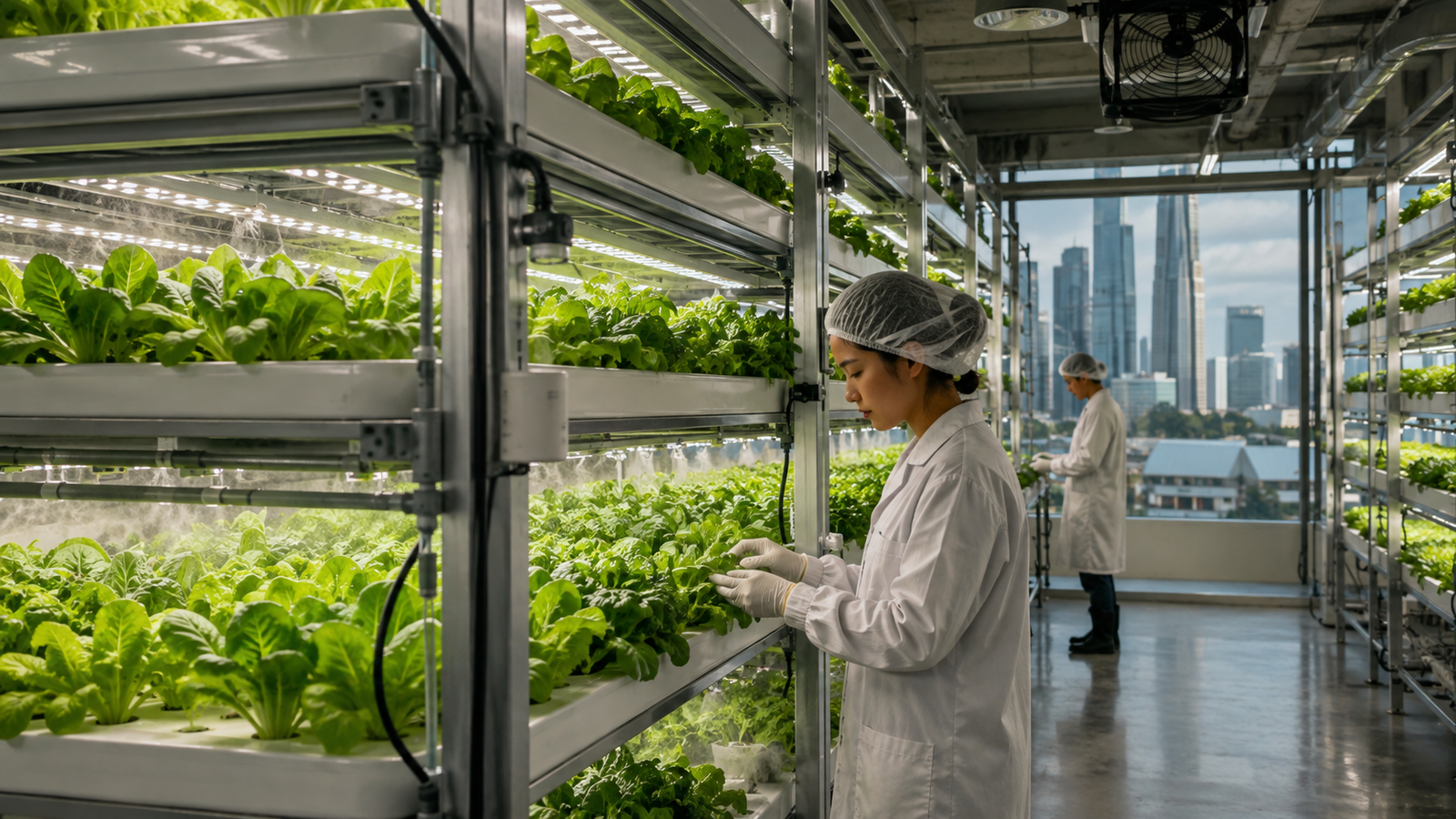
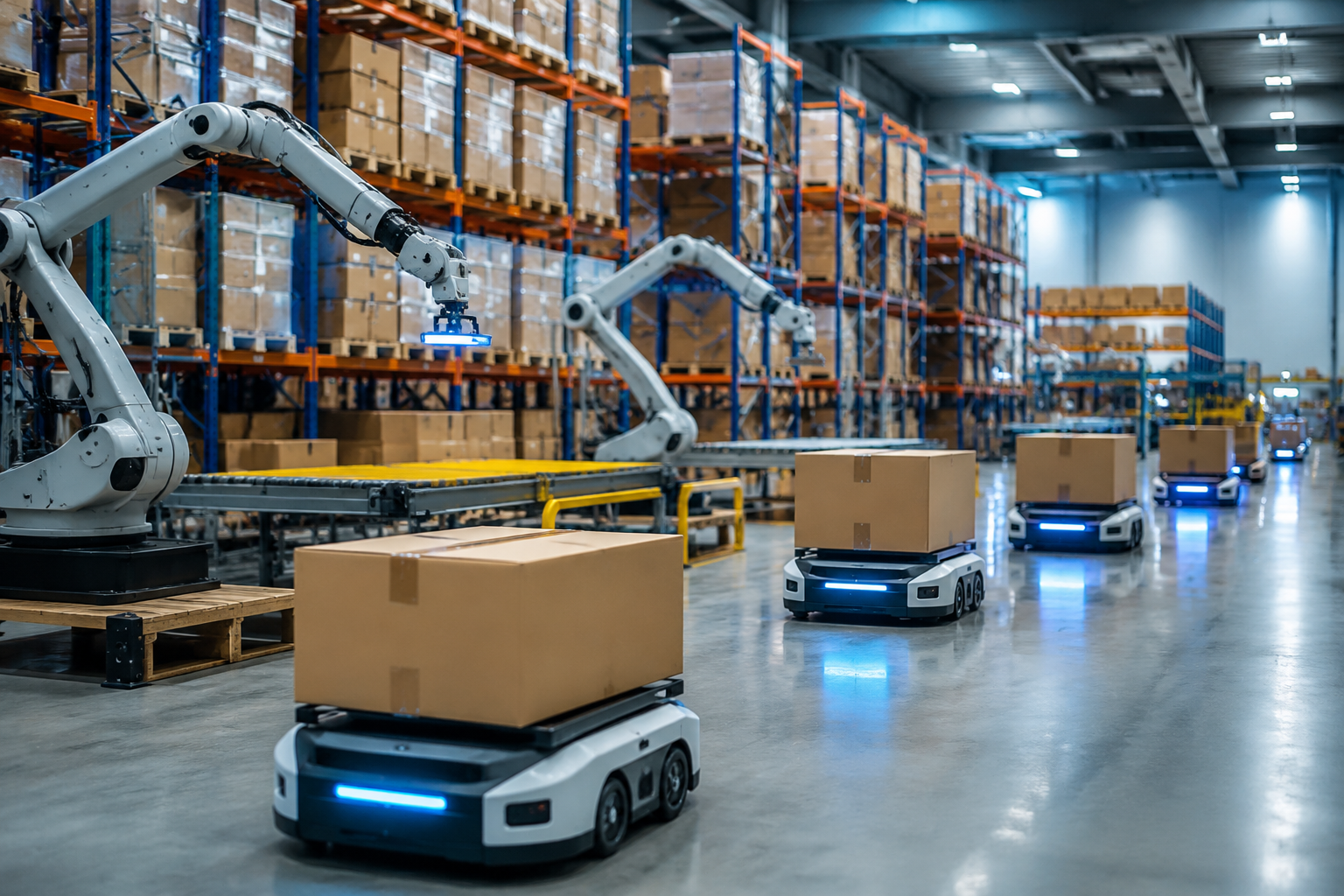
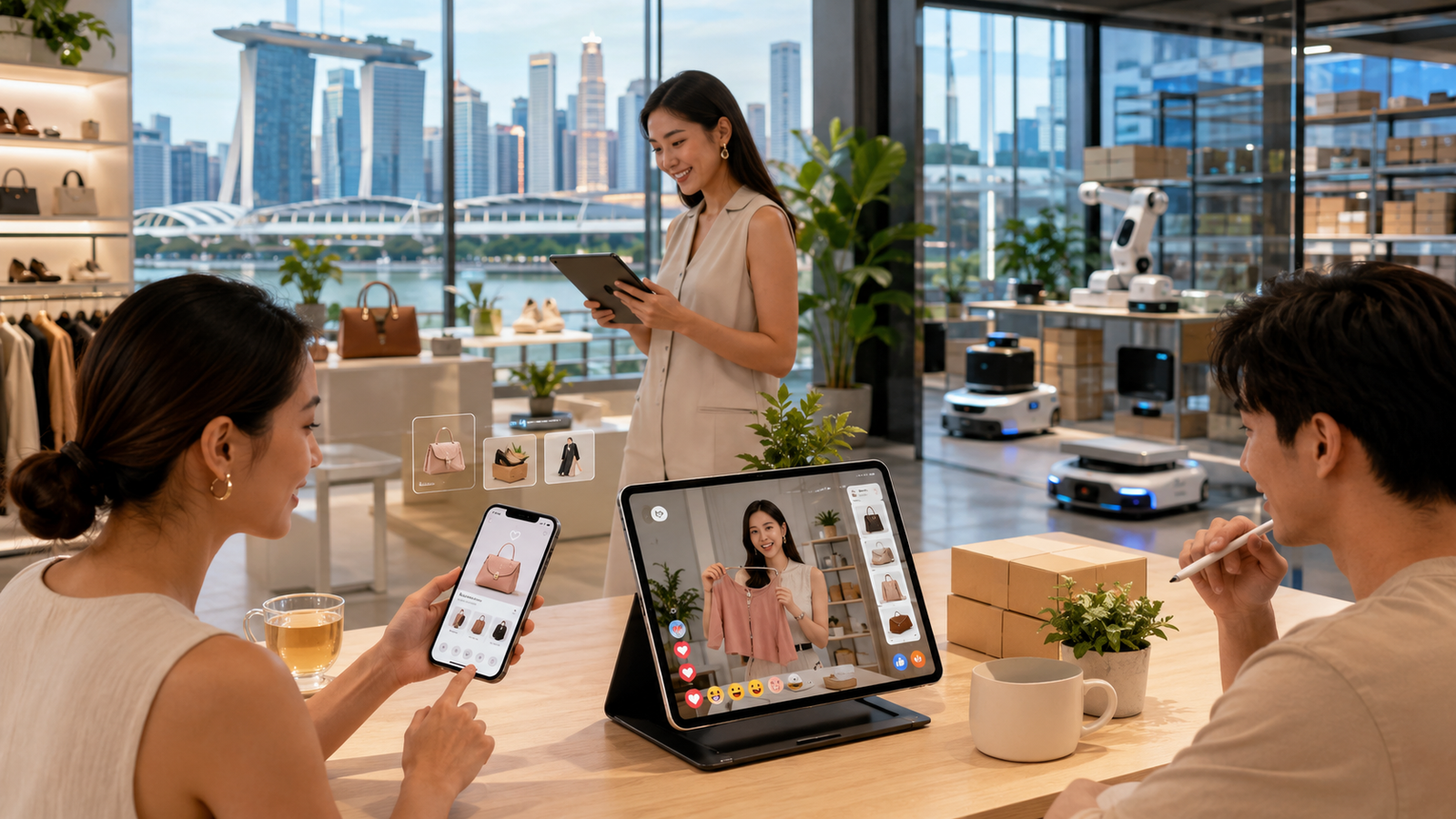
In the business world, IoT is enabling Singapore’s companies to innovate and improve productivity. Many industries, including manufacturing, logistics, and agriculture, are utilizing IoT-driven solutions to streamline processes, optimize supply chains, and reduce operational costs. The city-state’s dynamic startup ecosystem is fueling this growth, with many IoT companies developing groundbreaking technologies that address challenges across various sectors.
The nationwide rollout of 5G technology in Singapore promises to further elevate IoT applications by enabling faster communication and real-time data processing. With 5G’s high-speed connectivity, IoT devices will be able to function more efficiently, paving the way for new advancements in areas like autonomous vehicles, smart cities, and industrial automation.
By integrating IoT technologies into various sectors, Singapore is creating a more connected, efficient, and sustainable future. Through continued innovation and strategic investment, the nation is well on its way to realizing its vision of a Smart Nation and setting the stage for a new era of digital transformation across the globe.