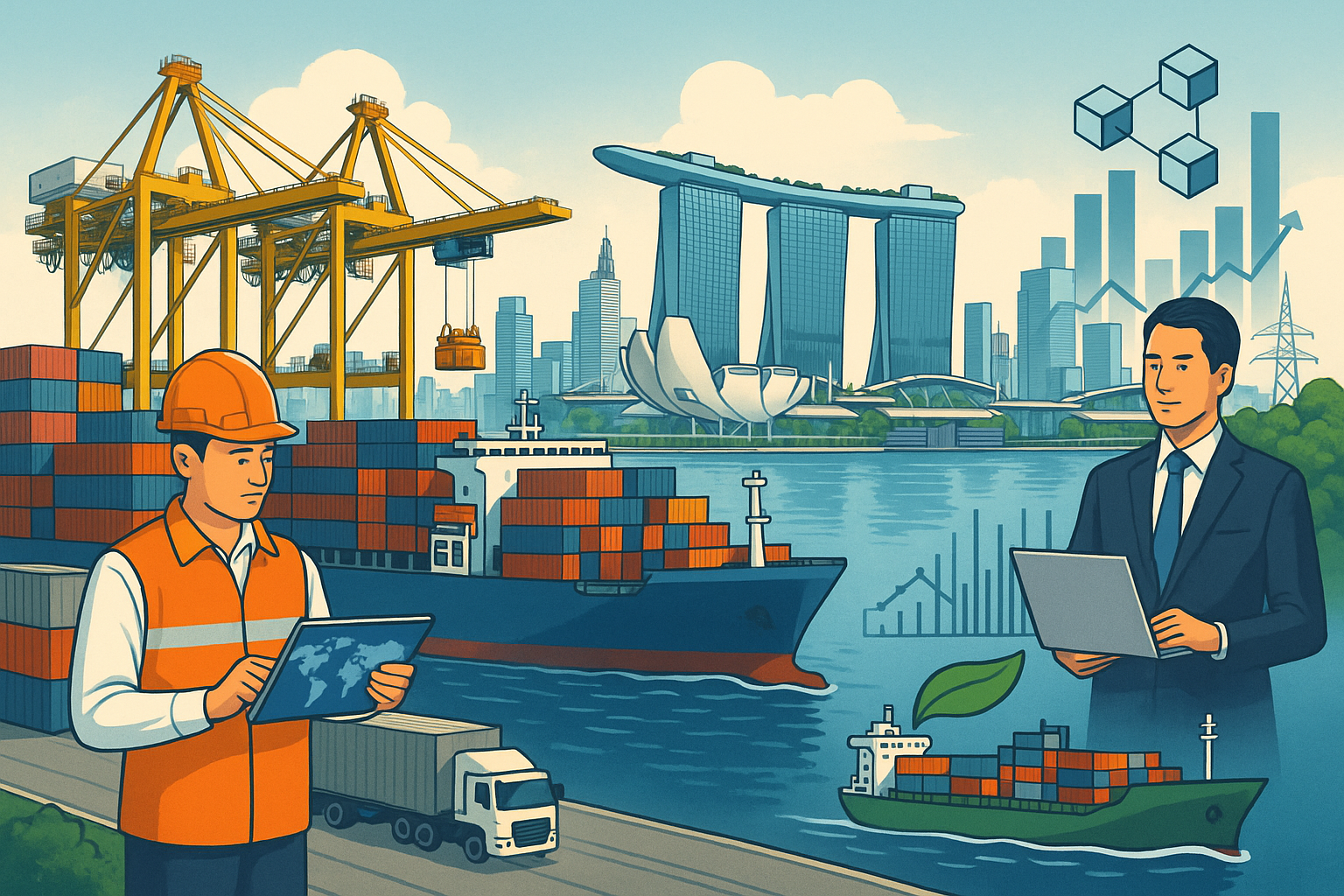
Singapore’s manufacturing industry is a central pillar of its economy, fueling economic growth and enhancing its global standing. The country’s advanced infrastructure, skilled workforce, and business-friendly environment have made it an attractive destination for manufacturing businesses across various sectors. Among the key industries driving Singapore’s economy are electronics, chemicals, biomedical sciences, precision engineering, and transport engineering.
Electronics is one of the most important sectors in Singapore’s manufacturing landscape. The country has become a leading center for semiconductor production, with companies like Intel, Micron, and GlobalFoundries operating major manufacturing facilities. Singapore’s role as a critical part of the global electronics supply chain cannot be overstated, as it produces essential components used in everything from consumer electronics to industrial machinery.
Chemicals manufacturing also plays a significant role in Singapore’s economy. The country is home to some of the world’s largest chemical production facilities, with multinational corporations such as Shell, ExxonMobil, and BASF establishing operations in Singapore. These companies produce a wide range of chemicals and materials, including petrochemicals, plastics, and fertilizers, which are used in industries such as automotive, construction, and healthcare.
Biomedical sciences is another rapidly growing sector in Singapore. The country is renowned for its production of pharmaceuticals, biotechnology, and medical devices. Global pharmaceutical giants, such as Novartis and Pfizer, have manufacturing operations in Singapore, producing critical medicines and therapies. Singapore’s biotechnology industry is also making strides in research and development, particularly in areas like gene therapy and personalized medicine.
Precision engineering is a key sector that has helped establish Singapore as a leader in high-tech manufacturing. The country produces precision components used in industries such as aerospace, automotive, and electronics. Companies in this sector rely on Singapore’s advanced technology and highly skilled workforce to produce high-quality parts that meet stringent international standards.
The transport engineering industry is another important sector that contributes to Singapore’s manufacturing prowess. The country has a world-class aerospace industry, with companies like Rolls-Royce and Pratt & Whitney manufacturing advanced aircraft engines and components. Additionally, Singapore’s shipbuilding industry plays a critical role in producing commercial and military vessels, supporting the global transportation and defense sectors.
The government has played an essential role in fostering the growth of Singapore’s manufacturing industry. Policies such as the Industry Transformation Maps (ITMs) have been instrumental in encouraging innovation and technological advancements across various sectors. Through initiatives that promote digitalization, automation, and the adoption of new technologies, Singapore has ensured that its manufacturing industry remains competitive in a rapidly evolving global market.
In conclusion, the manufacturing industry is an indispensable part of Singapore’s economic success. The electronics, chemicals, biomedical sciences, precision engineering, and transport engineering sectors contribute to the country’s GDP, global competitiveness, and employment opportunities. With continued support from the government and a focus on innovation, Singapore’s manufacturing industry will continue to drive economic growth and maintain its position as a global leader.