Singapore has long been recognized as a vital center in global trade, but its role is not static. Instead, the city-state continually adapts to shifts in supply chains, technology, and financial markets. Its identity as both a logistics and financial hub gives it the flexibility to respond to changing conditions while remaining an essential link in international commerce.
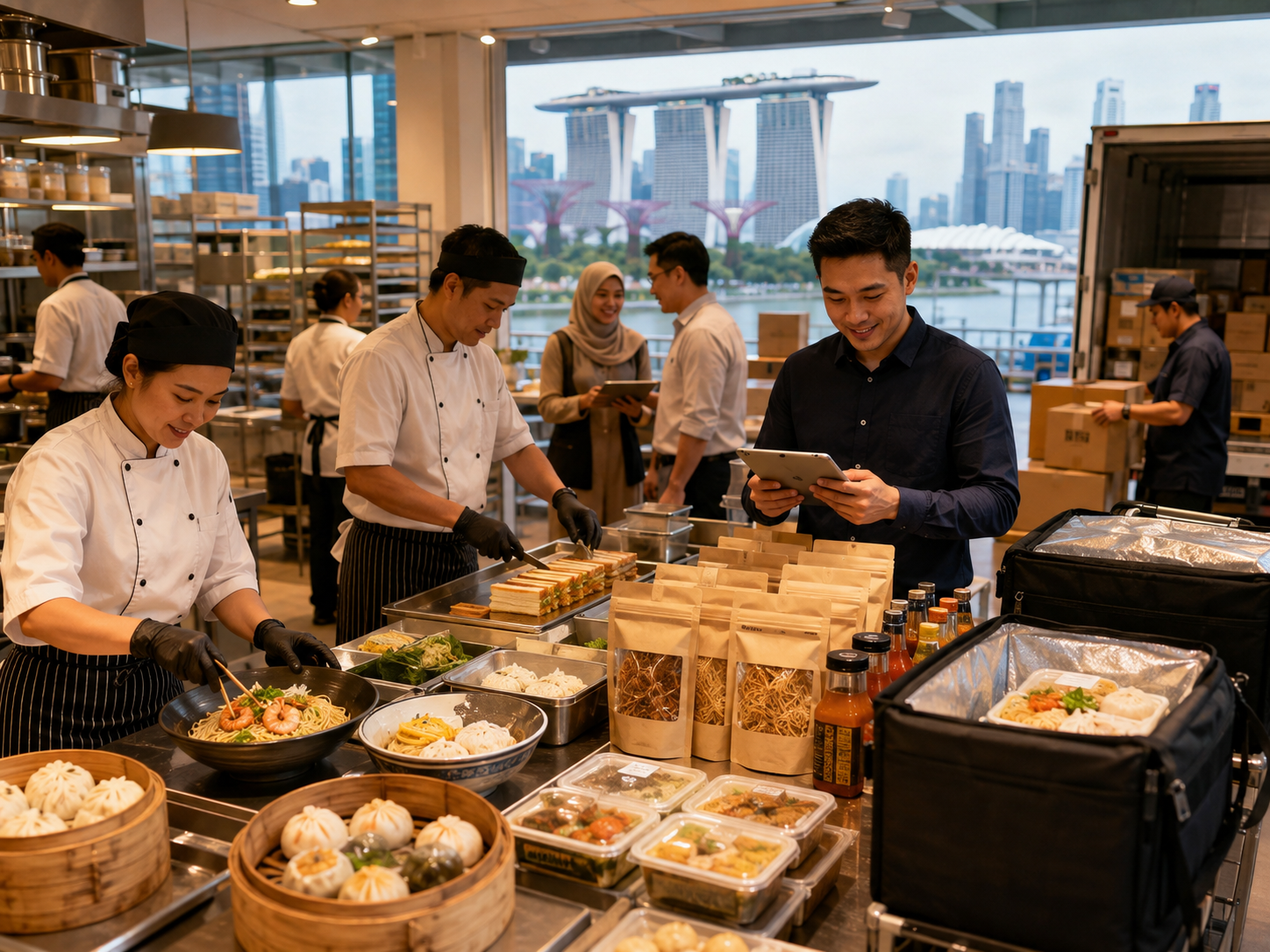
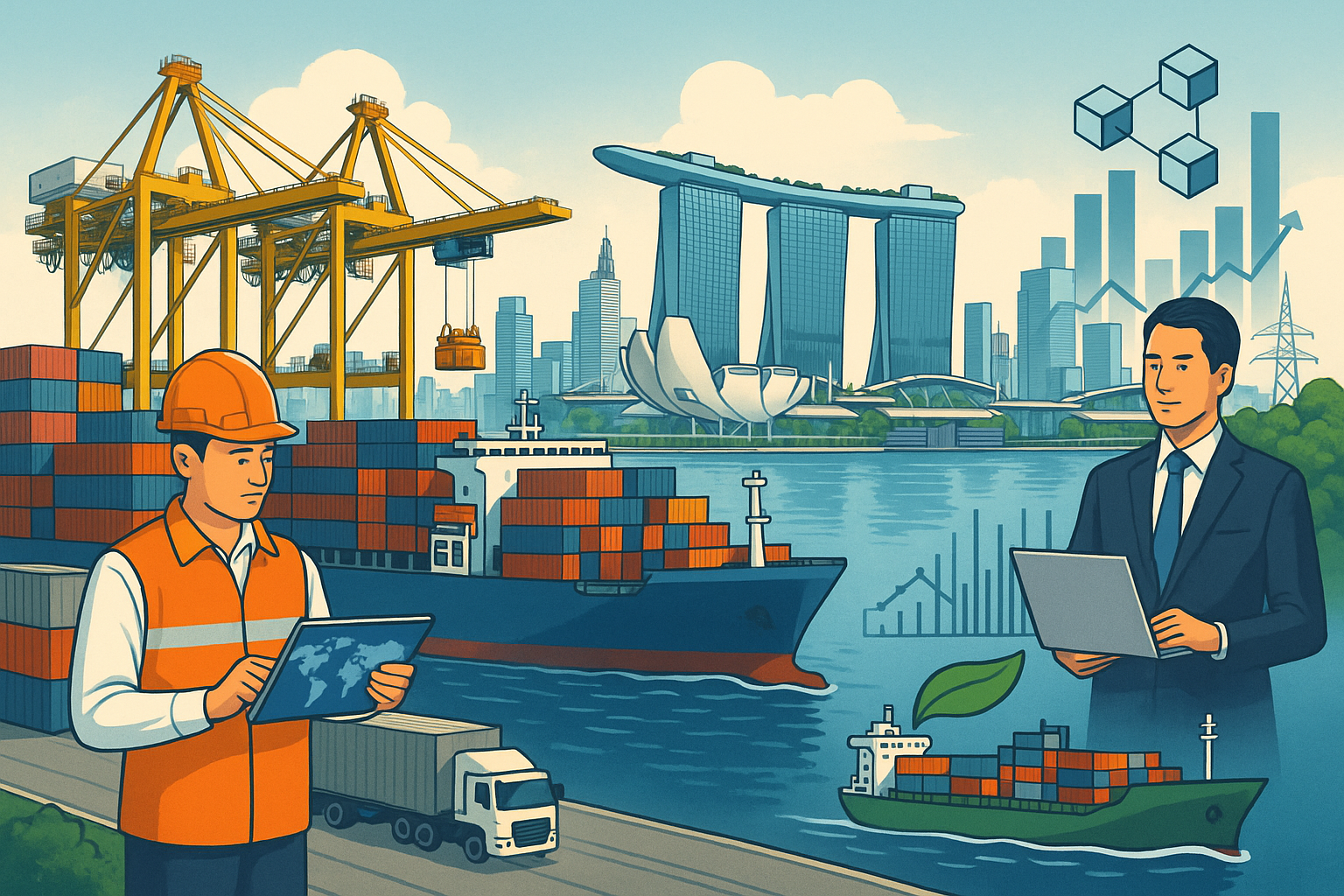
In the realm of logistics, Singapore is moving beyond traditional port and airport services to become a hub for integrated supply chain management. Logistics providers based in Singapore now offer end-to-end solutions, from procurement and inventory management to last-mile delivery in regional markets. By clustering shipping lines, freight forwarders, third-party logistics firms, and technology companies in the same ecosystem, Singapore fosters collaboration and innovation in supply chain strategies.
Infrastructure upgrades are ongoing. The development of newer, larger container terminals and the relocation of port facilities to more modern sites illustrate Singapore’s long-term outlook. These investments aim to accommodate larger vessels, handle rising cargo volumes, and incorporate more automation. Digital platforms enable real-time tracking of containers, predictive maintenance of equipment, and data analytics that help companies optimize routing and scheduling.
Simultaneously, Singapore’s financial sector is becoming more entwined with global trade flows. The city-state functions not only as a place where companies secure trade financing but also as a hub for capital markets that fund infrastructure and logistics projects across the region. Banks and investment funds in Singapore finance ports, airports, and industrial parks in neighboring countries, reinforcing regional connectivity and, indirectly, Singapore’s own role in trade.
Innovation in fintech is reshaping how trade is financed and documented. Singapore encourages experimentation with technologies like blockchain to create secure, tamper-resistant records of trade transactions. Digital trade finance platforms bring together exporters, importers, banks, and insurers in a single environment, speeding up approvals and reducing paperwork. These innovations are particularly important for small and medium enterprises that may struggle with traditional, document-heavy financing processes.
Another important dimension is Singapore’s focus on sustainability. Global pressure to decarbonize supply chains has pushed ports and shipping industries to reduce emissions. Singapore is exploring the use of alternative fuels, such as liquefied natural gas and biofuels, and investing in green port infrastructure. Financial institutions in the city-state are also offering sustainable trade finance products, linking loan terms to environmental performance indicators like carbon intensity and energy efficiency.
Singapore’s strategic diplomacy complements these economic efforts. Through participation in regional trade blocs and global economic forums, the city-state advocates for open markets, clear trade rules, and interoperable digital standards. These efforts help create a more predictable environment for businesses and reinforce Singapore’s status as a trusted intermediary in global trade discussions.
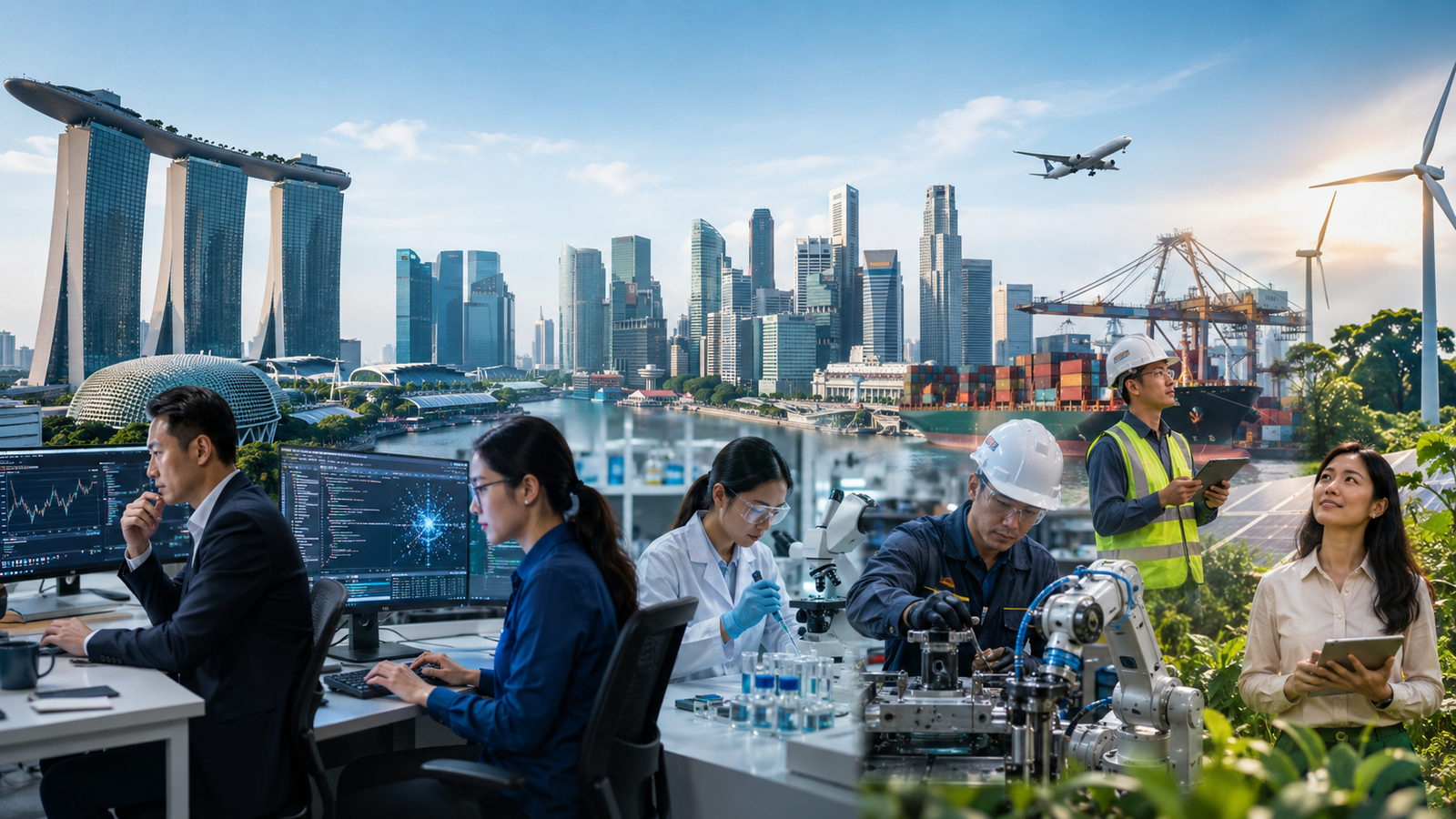
Overall, Singapore’s role in international trade goes far beyond serving as a convenient stopover for ships and planes. By combining state-of-the-art logistics infrastructure, advanced financial services, technological innovation, and proactive policy-making, the city-state shapes the architecture of global trade in meaningful ways. Its continued evolution ensures that it remains at the forefront of how goods and capital move around the world.