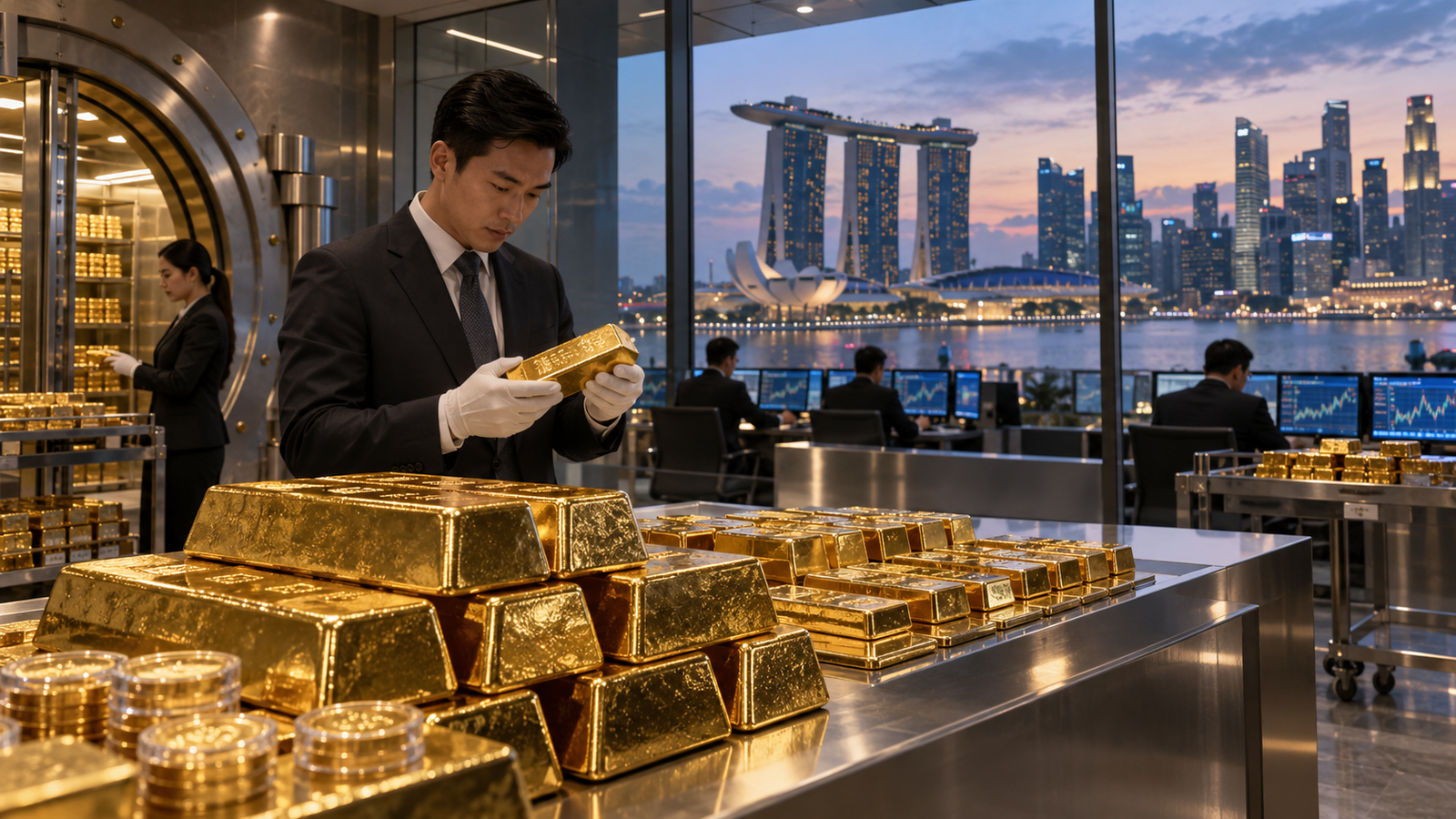
Singapore’s equity market attracts both local savers and international capital, largely because of the perception that it is clean, efficient, and well-governed. Behind that perception lies a detailed regulatory structure that shapes everything from opening a brokerage account to voting at shareholder meetings. Examining the practical impact of these rules can help investors navigate the market more confidently.
The journey typically begins with account opening. Under regulations enforced by the Monetary Authority of Singapore (MAS), brokers and banks must perform rigorous know-your-customer (KYC) checks and assess the investor’s profile. This includes verifying identity, understanding financial circumstances, and in many cases evaluating investment experience. The goal is to ensure that products recommended or made available are broadly suitable and that the financial system is protected from illicit activity.
Once an account is set up, investors interact with intermediaries licensed under the Securities and Futures Act (SFA). These intermediaries must adhere to conduct rules: they are required to act fairly, disclose fees and charges clearly, and manage conflicts of interest. For example, research analysts and trading desks within the same firm may be subject to Chinese wall policies to prevent misuse of non-public information. For the investor, these obligations translate into more transparent pricing and a reduced risk of being disadvantaged by insider relationships.
The Singapore Exchange (SGX) and its Listing Rules directly affect the quality of information investors receive about listed companies. Regular financial reporting and mandatory announcements of material events help investors monitor their holdings without needing insider access. Additionally, shareholders benefit from frameworks that govern general meetings, voting rights, and related-party transactions. These rules aim to prevent controlling shareholders from extracting private benefits at the expense of minority investors.
For foreign investors, Singapore’s openness is supported by clear rules on cross-border flows of capital and information. Many international brokers provide access to SGX, and MAS collaborates with overseas regulators to facilitate cross-listings and mutual recognition arrangements in some areas. Foreign investors are generally treated similarly to local investors in terms of shareholder rights and protections, making the market accessible and predictable. The absence of capital gains tax on most individual share transactions further enhances Singapore’s appeal, although investors should always consider tax obligations in their home jurisdictions.
Regulations around product suitability and risk disclosure are especially significant for retail investors. Before selling complex investment products, financial institutions may need to conduct customer knowledge assessments and provide simplified disclosure documents highlighting key risks, costs, and scenarios. This is intended to reduce instances where investors buy leveraged or exotic products without grasping potential downside. While these safeguards cannot eliminate loss, they promote more informed decision-making.
Risk is also managed at the system level through mechanisms like circuit breakers, volatility controls, and rules on short selling and margin requirements. These tools aim to prevent extreme intraday price swings, forced selling spirals, or destabilizing speculative attacks. For investors, the effect is a market that may still be volatile at times, but is less prone to the kind of chaotic dislocations that can occur in lightly regulated environments.
Another important practical feature is the role of the Central Depository (CDP) in holding securities. By recording ownership electronically and segregating client assets from intermediaries’ own funds, CDP reduces the risk that an investor’s shares will be entangled in a broker’s financial distress. This custody framework, combined with dispute resolution channels like the Financial Industry Disputes Resolution Centre (FIDReC) for certain cases, gives investors avenues to seek recourse if problems arise.
Ultimately, Singapore’s stock market regulations are designed to create a fair and resilient environment rather than to guarantee profit or prevent all losses. Understanding how MAS, SGX, CDP, and various laws interact allows investors to better evaluate brokers, assess company disclosures, and recognize red flags in trading patterns or product offerings. Armed with that knowledge, both retail and foreign investors can participate in Singapore’s capital markets with greater clarity and confidence.