

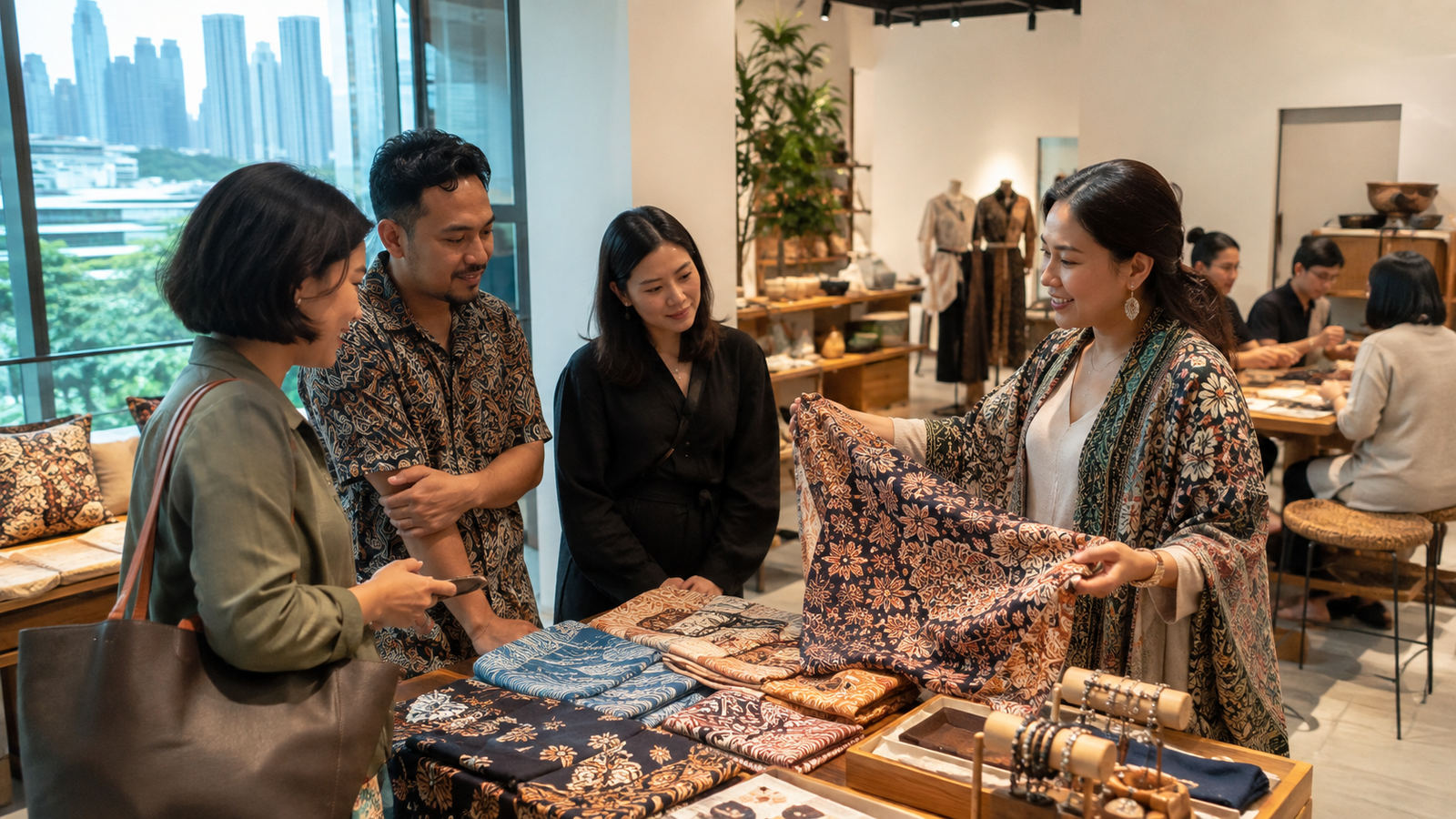
Starting an arts and culture business in Singapore in 2026 involves more than artistic talent. It requires understanding the financial tools, market incentives, and strategic support systems that can turn a creative practice into a sustainable company. Singapore’s policy environment is now explicitly designed to help creative SMEs scale.
Singapore’s Creative Economy Is Now a Policy Priority
The city-state has placed the arts and creative industries within its broader economic development agenda. Enterprise Singapore’s creative industries page, updated in 2026, outlines support for design, media, arts, and cultural businesses seeking local and international growth. The page can be accessed at https://www.enterprisesg.gov.sg/industries/type/creative-industries.
What the 2026 Data Says About Market Size
Latest figures from the National Arts Council indicate that the arts and culture sector has crossed the S$2 billion mark in nominal value added. More importantly, the number of arts-related enterprises has increased, particularly in art education, digital content, and cultural tourism. This expansion is creating demand for business services around the arts, including marketing, logistics, and licensing.
Funding Sources That Actually Move the Needle
Grants From Enterprise Singapore and the National Arts Council
Creative entrepreneurs can access market readiness grants to attend international art fairs, capability development grants for digital infrastructure, and project grants for original productions. These are not limited to non-profit groups; many programmes are open to private creative companies that demonstrate revenue potential.
Tax and Co-Location Incentives for Creative SMEs
Singapore offers tax exemptions for newly incorporated companies, as well as co-working and co-location support in designated arts and media hubs. Creative businesses that register in these zones can reduce overhead during the critical first two years while benefiting from shared exhibition spaces and industry networking.
Real-World Example: A Design Studio That Scaled With Government Support
A Singapore-based design and arts collective used a combination of a market readiness grant and a digital capability grant to launch an online archive of Southeast Asian visual culture. Within 18 months, the studio licensed content to regional publishers, secured a corporate heritage project, and hired three additional designers. The founder credits the early financial support for covering costs that would otherwise have delayed international sales.
Choosing the Right Business Structure for Arts and Culture Ventures
Decide early whether to operate as a sole proprietorship, private limited company, or social enterprise. A private limited company offers limited liability and eligibility for most government grants. A social enterprise structure may unlock impact funding but can limit certain commercial grants. Work with a professional familiar with both arts funding and Singapore corporate law to avoid structuring mistakes that delay growth.
Creative founders who align their business model with available incentives are moving faster than those who rely only on organic sales.







Leave a Reply