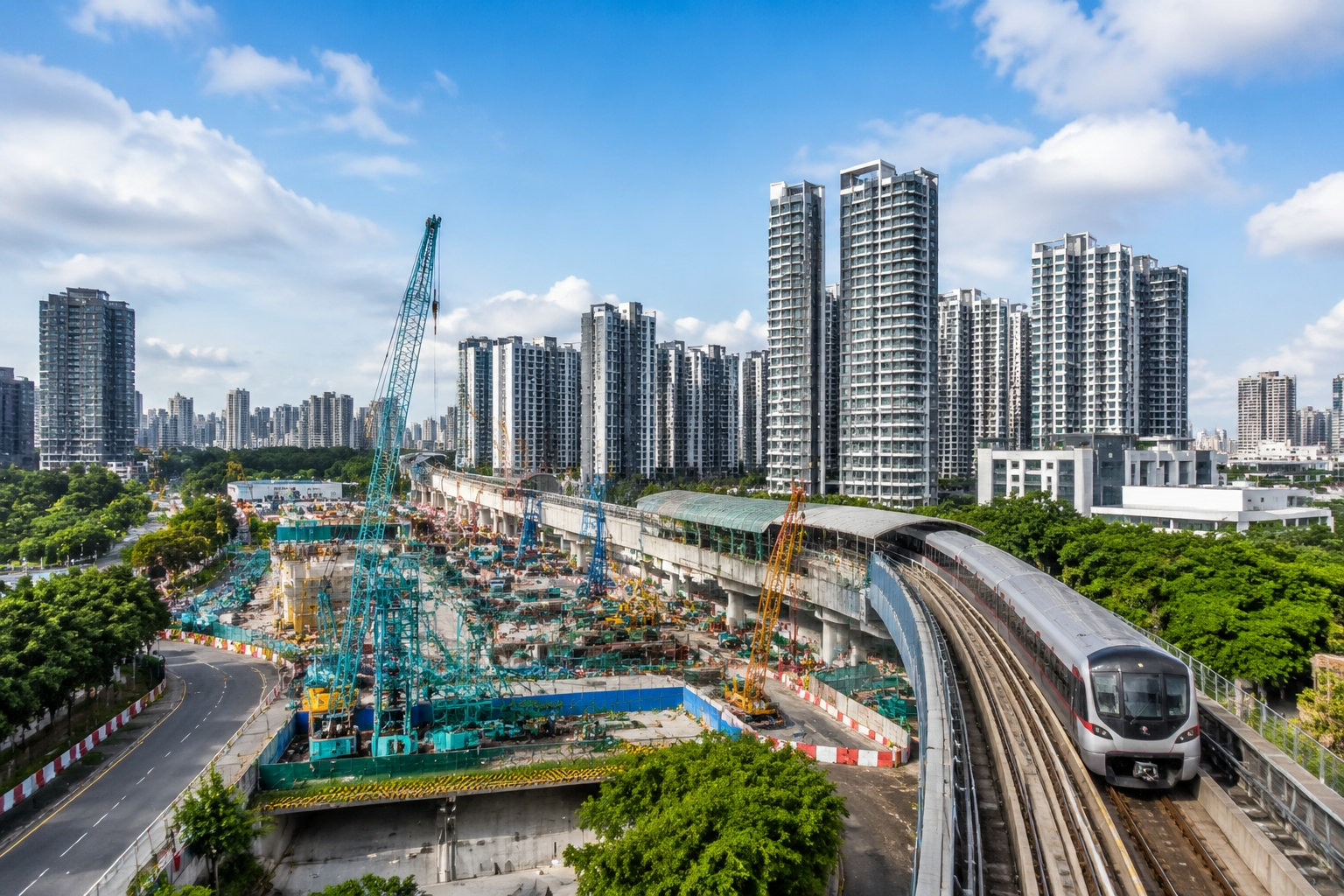
Singapore is at the forefront of a global shift toward a green economy, where sustainability and economic development go hand-in-hand. The city-state has been leading efforts in promoting sustainable investments and fostering a green economy that aligns with global climate goals. With its strong regulatory framework and commitment to reducing environmental impacts, Singapore has emerged as a hub for green finance and sustainable investment in Southeast Asia.
The Green Plan 2030 is a cornerstone of Singapore’s strategy to create a more sustainable future. This ambitious initiative outlines key objectives such as achieving net-zero emissions by 2050, promoting the use of renewable energy, and transforming Singapore into a green finance leader. The Green Plan also aims to make Singapore a global hub for sustainable innovation, creating opportunities for investment in green technologies and sustainable infrastructure.
Sustainable investment has become increasingly important in Singapore, with investors recognizing the need to consider environmental, social, and governance (ESG) factors when making investment decisions. ESG investing focuses on companies that prioritize sustainability, social responsibility, and ethical governance practices. In Singapore, financial institutions are integrating ESG principles into their investment strategies, providing investors with opportunities to support businesses that are aligned with sustainable development goals.
The Monetary Authority of Singapore (MAS) has been a key driver in promoting sustainable finance. Through initiatives such as the Green Finance Action Plan and the Green and Sustainable Bond Grant Scheme, the MAS is encouraging the growth of green finance products, such as green bonds, which help fund environmentally-friendly projects. The Singapore Exchange (SGX) has also supported the growth of green finance by establishing guidelines and promoting transparency in ESG reporting.
Singapore is also investing in green technologies to support its transition to a sustainable economy. The government’s Smart Nation initiative focuses on integrating technology into urban infrastructure to reduce environmental impacts. Innovations in renewable energy, waste management, and energy-efficient buildings are helping Singapore lower its carbon footprint and create a more sustainable urban environment.
Sustainable real estate is another area where Singapore is making significant strides. The government’s Green Mark Certification program promotes energy-efficient and environmentally-friendly construction practices. By incentivizing green building practices, Singapore is attracting both investors and developers who are committed to creating sustainable urban spaces.
Singapore’s green economy is a model for other nations, showing that environmental sustainability and economic growth can coexist. Through its policies, investments in green technology, and commitment to green finance, Singapore is leading the way toward a more sustainable and prosperous future.